
Show table of content Hide table of content
When standing in the grocery store aisle, many shoppers wonder whether brown or white eggs offer different nutritional benefits. This common question reveals a widespread misconception about these kitchen staples. The reality behind egg shell color is far simpler than most people imagine, yet it continues to fuel debates about quality and health benefits.
What determines the color of an egg shell
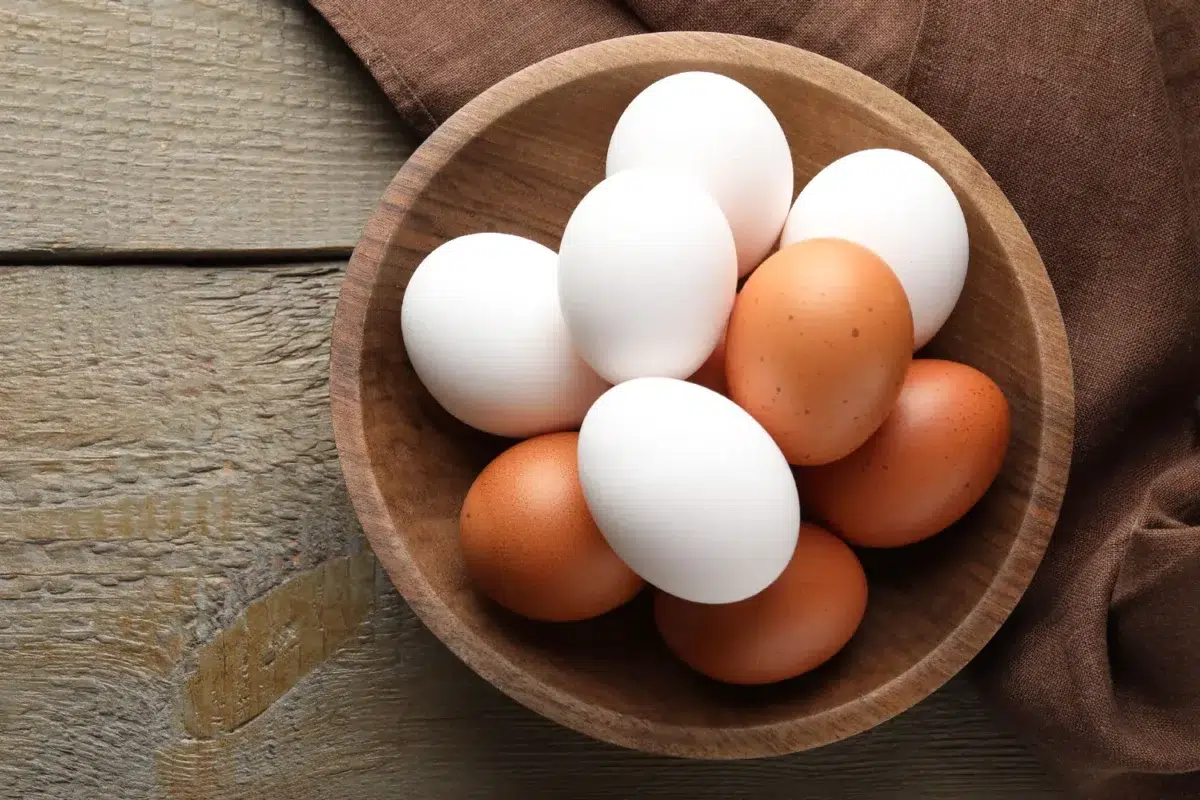
The answer to this mystery lies entirely in genetics. Shell pigmentation depends exclusively on the breed of chicken that laid the egg. According to poultry experts, hens with white feathers typically produce white eggs, while those sporting brown or red plumage generally lay brown eggs. This natural process has nothing to do with artificial coloring, chemical treatments, or farming practices.
The pigment responsible for brown shells, called protoporphyrin, gets deposited on the egg during the final stages of formation in the hen’s oviduct. White eggs simply lack this pigment coating. Some specialty breeds even produce eggs in unusual shades, creating visual variety in the poultry world. The Araucana chicken, native to Chile, represents one remarkable example by laying distinctive blue-tinted eggs. However, these birds are rare and produce fewer eggs than commercial laying hens, making their unusual offerings difficult to find in most markets.
Environmental factors can influence shell appearance too. A hen experiencing stress from predators, inadequate nutrition, or illness may produce eggs with different characteristics than her breed would normally generate under optimal conditions. This explains why shell quality and appearance can vary even within the same flock.
Nutritional comparison between brown and white eggs
Despite persistent myths suggesting otherwise, brown and white eggs are nutritionally identical. The shell color provides no indication whatsoever about the egg’s internal composition, vitamin content, or protein quality. This fact surprises many consumers who have long associated darker shells with superior nutrition or more natural farming methods.
| Nutrient | Brown eggs | White eggs |
|---|---|---|
| Protein | 6 grams | 6 grams |
| Fat | 5 grams | 5 grams |
| Calories | 70 | 70 |
| Vitamin B12 | 0.6 mcg | 0.6 mcg |
The only factor that genuinely affects nutritional value is what the hen consumes. Chickens fed diets enriched with omega-3 fatty acids, for instance, will produce eggs containing higher levels of these beneficial compounds regardless of shell color. Similarly, hens with access to diverse foraging opportunities may lay eggs with richer yolk colors and slightly enhanced nutrient profiles. But again, these differences stem from diet rather than genetics determining shell pigmentation.
White eggs remain extremely popular in the United States, while European markets tend to favor brown varieties. This preference reflects cultural habits rather than objective quality differences. Just as simple solutions for family dinners often rely on familiar ingredients, consumers gravitate toward what they recognize and trust.
Common misconceptions about egg shell color
Several false beliefs persist regarding egg varieties. Many consumers incorrectly assume that brown eggs come from free-range chickens treated more humanely than those producing white eggs. In reality, shell color reveals nothing about farming practices. Both brown and white eggs can come from cage-free, organic, or conventional production systems.
Another widespread myth suggests that darker shells are thicker or more protective than lighter ones. Scientific testing demonstrates no correlation between pigmentation and shell strength. The robustness of an eggshell depends on the hen’s age, nutrition, and overall health rather than her feather color.
Some people worry that white eggs contain bleaching agents or chemical additives to achieve their pure appearance. This concern is completely unfounded. Just as knowing the dirtiest spot in your microwave everyone forgets to clean helps maintain kitchen hygiene, understanding natural egg production dispels unnecessary food safety fears.
Factors that genuinely matter when choosing eggs
Rather than focusing on shell color, informed consumers should consider these meaningful criteria :
- Farming methods including cage-free, free-range, or pasture-raised systems that affect animal welfare
- Organic certification indicating hens received feed without synthetic pesticides or antibiotics
- Freshness indicators such as pack dates and best-before labels
- Local sourcing which can reduce transportation time and support regional farmers
The diet provided to laying hens makes a genuine difference in egg quality. Chickens enjoying varied nutrition produce eggs with vibrant yolks and optimal nutrient profiles. Some farmers supplement feed with specific ingredients to enhance certain compounds, similar to how one spoonful of this ingredient on the roots can dramatically improve plant health.
Making informed decisions at the market
Understanding that shell color carries no inherent quality signal empowers shoppers to make choices based on relevant factors. Price differences between brown and white eggs typically reflect production costs associated with the chicken breeds involved rather than nutritional superiority. Larger brown-egg-laying hens require more feed, which can increase retail prices.
FoodBananas will last 10 more days without becoming soft or black: just store them like this.When evaluating egg options, examine labels for meaningful certifications and farming practice descriptions. Consider your budget alongside your values regarding animal welfare and environmental impact. The most expensive eggs aren’t necessarily the most nutritious, and affordable options can provide excellent protein and vitamins. Just as research reveals better than chamomile, this red juice delivers extra sleep, evidence-based decisions about food yield better outcomes than assumptions.
Ultimately, whether you prefer brown, white, or even blue eggs comes down to availability, price, and personal preference. The nutritional content remains equivalent across shell colors when hens receive comparable diets and care. This knowledge allows you to shop confidently, knowing that the color visible from outside tells you nothing about the quality waiting inside.
