
Show table of content Hide table of content
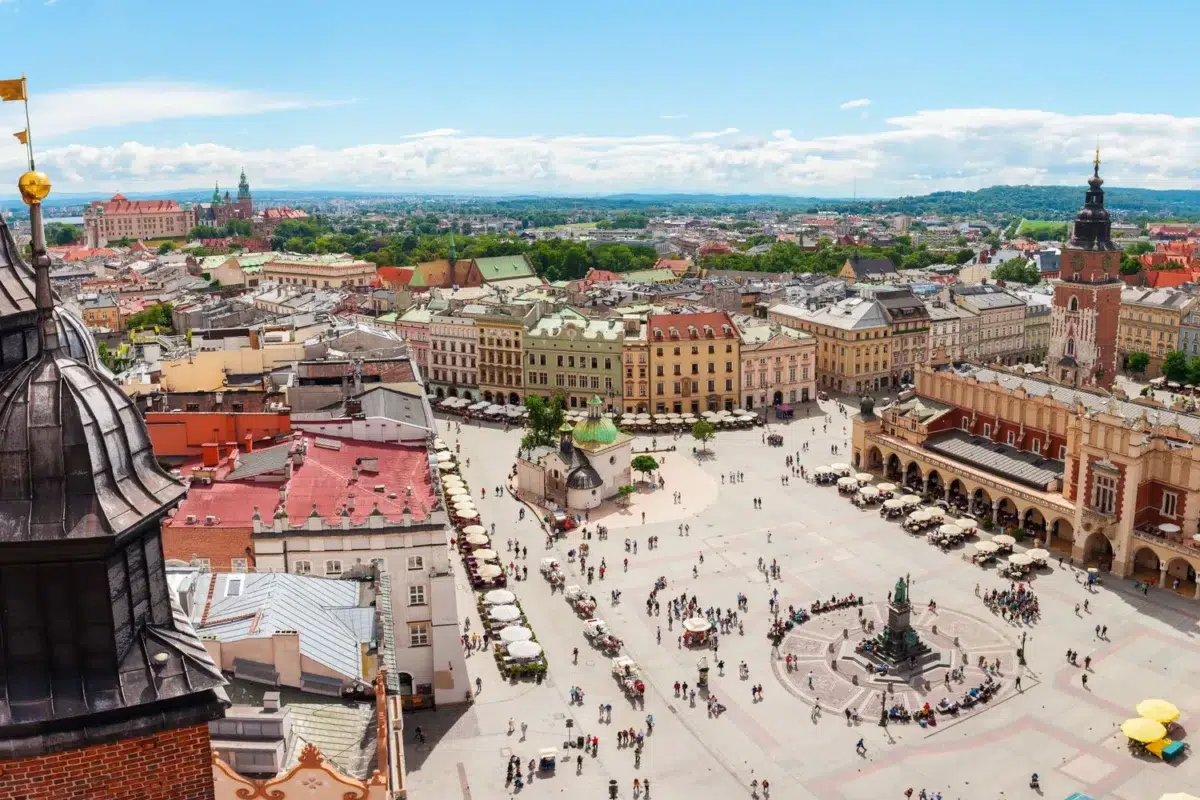
Among the countless medieval cities scattered across the European continent, Krakow stands out as an exceptional destination. This Polish gem, whose origins trace back to the 7th century, has recently captured the attention of travel experts for its unique combination of historical richness and accessibility. The city’s Old Town, recognized as a UNESCO World Heritage site since 1978, offers visitors an unparalleled concentration of architectural treasures within a remarkably compact area. Unlike many European cities that suffered extensive damage during the Second World War, Krakow’s historic center remained largely intact, preserving its authentic medieval character for future generations to admire.
A walkable medieval masterpiece with exceptional density
What distinguishes Krakow from other historic European destinations is its extraordinary pedestrian-friendly layout. Travel platform Tourlane conducted an extensive evaluation of 65 remarkable old towns across five world regions during summer 2025, analyzing them through four key criteria. The assessment weighted walkability at 50%, while the city’s age and the cost of guided walking tours each accounted for 20%, with Instagram popularity making up the remaining 10%. Krakow emerged victorious in the European ranking, surpassing Naples, a city frequently celebrated for its historical appeal.
Visitors can explore the entire historic district on foot, discovering hidden squares and ancient doorways at every turn. The Planty Park, which replaced the former city ramparts, encircles the Old Town and provides a green corridor that enhances the area’s charm. This circular park creates a natural boundary that helps tourists navigate the historic center with ease. The compact nature of Stare Miasto, as locals call the Old Town, means that travelers can immerse themselves in centuries of history without spending hours in transit between attractions.
Current data shows approximately 8 million photographs of the old town circulating on Instagram, reflecting its growing popularity among contemporary travelers. Guided walking tours through the medieval streets cost around 12 euros, making cultural exploration accessible to budget-conscious visitors. Real estate professionals have also noted the city’s appeal, as technology increasingly shapes urban development strategies worldwide.
Architectural heritage spanning multiple centuries
The architectural landscape of Krakow’s historic center presents a stunning collection of styles that chronicle European artistic evolution. From Romanesque foundations through Gothic spires, Renaissance elegance, and Baroque ornamentation, the city serves as an open-air museum of architectural history. At the heart of this heritage lies the Market Square, surrounded by magnificent bourgeois townhouses that have stood for centuries.
The Cloth Hall, a Renaissance-style building dominating the square’s center, once served as a trading hub and now houses boutiques selling traditional Polish crafts. Nearby, St. Mary’s Basilica captivates visitors with its monumental wooden altarpiece, considered one of the finest examples of medieval craftsmanship in Europe. The church’s asymmetrical towers create a distinctive silhouette against the sky, while its interior holds artistic treasures accumulated over generations.
| Architectural period | Notable example | Distinctive feature |
|---|---|---|
| Romanesque | Church foundations | Massive stone construction |
| Gothic | St. Mary’s Basilica | Pointed arches and spires |
| Renaissance | Cloth Hall | Symmetrical proportions |
| Baroque | Church facades | Ornate decoration |
Beyond the Market Square, charming alleyways lined with cafes lead visitors toward Wawel Castle, perched on a limestone hill overlooking the Vistula River. This royal residence served as the most important seat of Polish monarchs for centuries, witnessing coronations, state ceremonies, and pivotal moments in national history. The castle complex includes Gothic chambers, Renaissance courtyards, and a cathedral where Polish kings rest in ornate tombs.
Preserved authenticity through historical fortune
While many European cities rebuilt their historic centers after wartime destruction, Krakow offers something increasingly rare : genuine medieval architecture that has survived largely unchanged. This remarkable preservation occurred partly by historical chance, as the city avoided the massive bombardments that devastated other urban centers. The consequence is an authentic experience where visitors walk on cobblestones worn smooth by centuries of footsteps and pass through doorways that have welcomed travelers for generations.
The concentration of masterpieces within such a limited area creates an immersive experience unlike any other European destination. Each narrow street reveals new discoveries, from Gothic portals to Renaissance arcades, while picturesque courtyards offer quiet respites from the busier thoroughfares. This density of significant sites means that tourists can absorb an extraordinary amount of cultural heritage during a relatively short visit.
Key factors contributing to Krakow’s appeal include :
- Exceptional concentration of monuments within walking distance
- Authentic medieval street layout preserved through centuries
- Diverse architectural styles representing different historical periods
- Affordable access through reasonably priced guided tours
- Green spaces enhancing the historic atmosphere
The city’s royal history adds another layer of significance to its architectural treasures. Polish monarchs commissioned many of the finest buildings, ensuring that craftsmen employed the highest artistic standards. This royal patronage created a lasting legacy that continues to inspire admiration today. Local authorities have maintained strict preservation standards, ensuring that modern development respects the historic character that makes the Old Town so special. Even as challenges emerge in urban governance across various regions, Krakow demonstrates how careful stewardship protects cultural assets.
NewsMosquitoes are already coming back — an expert explains when to act to avoid an infestationTravel experts emphasize that this combination of authenticity and accessibility justifies Krakow’s top ranking. The city offers modern amenities without compromising its historical integrity, creating an ideal destination for heritage enthusiasts and casual tourists alike. With its compact layout, diverse architecture, and well-preserved medieval character, Krakow truly deserves recognition as Europe’s most beautiful old town.
