
Show table of content Hide table of content
Your washing machine works hard to keep your clothes fresh, but did you know it needs cleaning too ? Most people assume their appliance stays clean automatically through regular use, yet this couldn’t be further from the truth. Over time, detergent buildup, limescale deposits, and mold accumulate inside, affecting performance and creating unpleasant odors. While white vinegar remains a popular cleaning solution, two surprising household items deliver even better results : lemon and toothpaste.
Why your washing machine needs regular maintenance
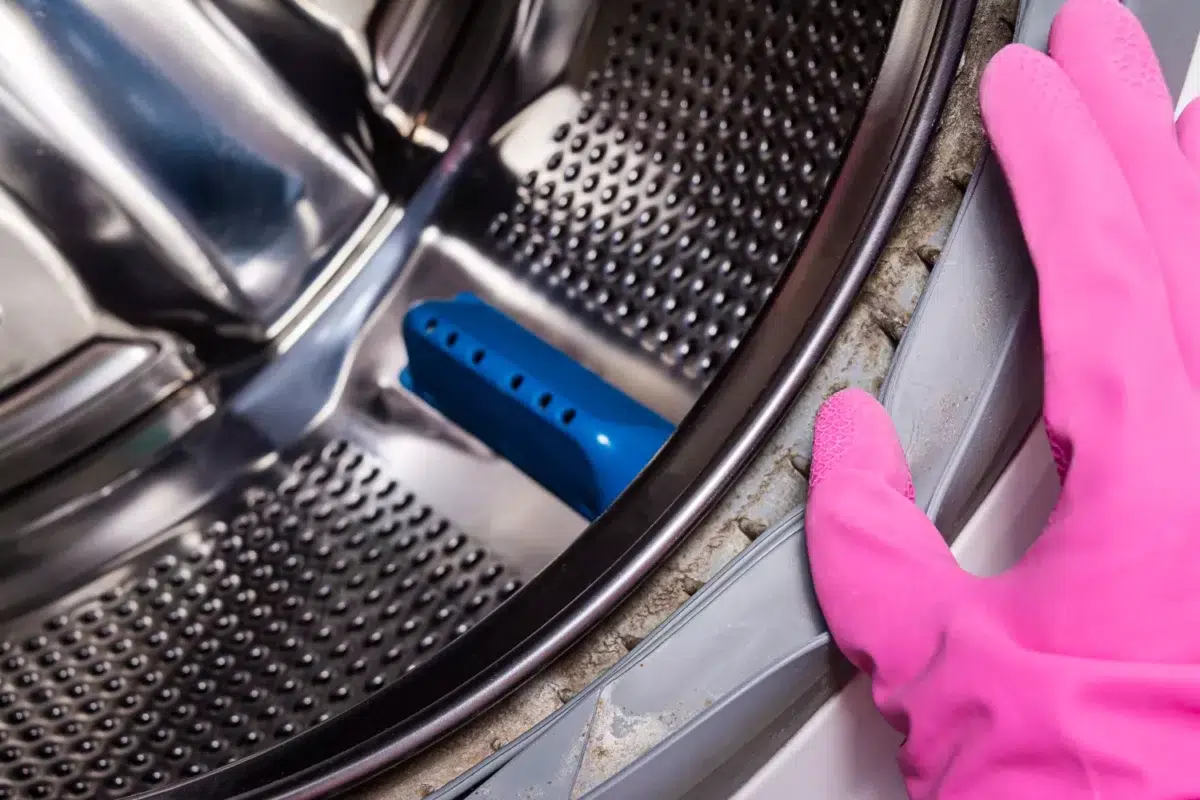
Neglecting your washing machine’s cleanliness can significantly reduce its lifespan and washing efficiency. The warm, damp environment inside the drum creates perfect conditions for mold growth, particularly around the rubber seal. These microorganisms produce musty smells that transfer to your freshly laundered clothes, defeating the purpose of washing them in the first place.
Detergent residue and hard water minerals gradually coat internal components, forcing your machine to work harder. This increased strain raises energy consumption and can lead to mechanical failures. Just like appliances that consume excessive energy, poorly maintained washers become inefficient over time. Regular cleaning every six months prevents these issues and ensures optimal performance.
Many homeowners worry about using vinegar because of its strong smell, even though it doesn’t actually linger on clothing. For those seeking alternatives with more pleasant fragrances, natural citrus-based methods offer equally effective cleaning power without the pungent odor. The combination of lemon and toothpaste provides a powerful yet gentle solution that tackles grime, limescale, and odor simultaneously.
The powerful cleaning properties of lemon and toothpaste
Lemons contain natural citric acid, which breaks down mineral deposits and cuts through grease effortlessly. This acidic property makes citrus fruits exceptional at dissolving limescale that accumulates from hard water. The fresh scent also neutralizes bad odors, leaving your machine smelling clean without artificial fragrances.
Toothpaste might seem like an unusual cleaning agent, but its mild abrasives and cleansing agents make it surprisingly effective. Originally designed to remove plaque and stains from teeth, these same properties work wonders on washing machine surfaces. When combined with lemon juice, the two ingredients create a synergistic effect that enhances their individual cleaning powers.
This grandmother’s cleaning trick relies on ingredients you already have at home. Unlike commercial cleaners that contain harsh chemicals, this natural method is safer for your household and the environment. The gentle abrasive action removes stubborn residue without damaging rubber seals or plastic components. Similar to how people discover overlooked dirty spots in appliances, the rubber gasket around your washing machine door often harbors the most buildup.
| Ingredient | Primary benefit | Additional properties |
|---|---|---|
| Lemon | Removes limescale | Degreases, deodorizes, antibacterial |
| Toothpaste | Scrubbing power | Stain removal, whitening effect |
| White vinegar | Descaling | Softens fabrics, removes odors |
Step-by-step cleaning method with citrus and toothpaste
Begin by cutting one fresh lemon in half horizontally. Apply a generous amount of regular toothpaste to the cut surface of both halves. The paste should cover most of the exposed lemon flesh, creating a powerful cleaning combination ready to tackle accumulated grime.
Take the first lemon half and thoroughly scrub the interior surfaces of your washing machine drum. Pay special attention to the rubber door seal, where mold and mildew typically thrive. Press gently but firmly to work the mixture into stained areas. For hard-to-reach crevices within the seal, cut your lemon half into quarters, creating smaller wedges that can access tight spaces.
After scrubbing all visible surfaces, dampen a clean cloth with warm water and wipe away the lemon-toothpaste residue. This removes loosened dirt and prevents sticky buildup. Place the second lemon half directly into the empty drum. Run a hot wash cycle at 140°F (60°C) without any laundry. This final step flushes away remaining debris and sanitizes internal components.
CleaningDamage caused by white vinegar can be irreversible — here’s everything you should never clean with itThe process takes approximately fifteen minutes of active work, plus the wash cycle duration. Your machine emerges sparkling clean with a refreshing citrus scent. This method is particularly effective for front-loading washers prone to seal problems, though top-loaders benefit equally.
Alternative dishwasher tablet method
For an even simpler approach, place two dishwasher tablets in your empty washing machine drum. Run a hot cycle at 140°F (60°C) without adding detergent or clothes. The concentrated cleaning agents in these tablets dissolve limescale and detergent buildup without manual scrubbing. This technique works well for monthly maintenance between deeper cleanings.
Maintaining your machine for long-term performance
Regular cleaning prevents problems rather than fixing them after they’ve developed. Establish a routine where you deep clean your washing machine every six months using the lemon-toothpaste method. Between these thorough cleanings, perform simple monthly maintenance to keep your appliance in top condition.
After each laundry load, leave the door ajar for several hours. This allows moisture to evaporate, preventing mold growth in the damp drum environment. Wipe down the rubber seal weekly with a dry cloth to remove trapped water and lint. These small habits make a significant difference over time.
Check your detergent usage carefully. Using too much detergent creates excessive suds that leave residue behind. Modern high-efficiency machines require less soap than traditional models. Follow manufacturer guidelines and consider reducing amounts if you notice buildup. After preparing family meals, you wouldn’t leave dishes dirty—apply the same philosophy to your washing machine.
CleaningIs there fabric softener left in the washing machine drawer? It’s not trivial, your machine may have this issueInspect the detergent dispenser drawer monthly, removing and rinsing it under running water. Fabric softener compartments particularly accumulate sticky residue that harbors bacteria. A clean dispenser ensures proper product distribution during wash cycles. These preventive measures extend your machine’s lifespan while ensuring consistently fresh laundry results that make maintenance efforts worthwhile.
