
Show table of content Hide table of content
Your dishwasher has just finished its cycle, and you’re standing in front of it, wondering whether to open it straight away or let it cool down first. This seemingly trivial decision actually matters more than you might think. The way you handle your appliance right after the cycle ends can significantly impact both the cleanliness of your dishes and the lifespan of your machine. Many households make the same mistake by waiting too long, believing that letting everything cool down is the safest approach. However, this common practice could be doing more harm than good.
Understanding the optimal timing for opening your dishwasher isn’t just about convenience. It affects how well your dishes dry, whether unpleasant odours develop inside the machine, and even whether mould has a chance to establish itself in the humid environment. This guide will help you understand exactly when to open your appliance and why this simple gesture makes such a significant difference to your daily routine.
Why immediate ventilation beats waiting
The most effective moment to open your dishwasher is right after the cycle completes. This might seem counterintuitive, especially if you’ve been taught to let appliances cool down before handling them. However, the science behind this recommendation is straightforward and compelling. When the washing programme finishes, your dishwasher’s interior is filled with hot, steamy air that needs somewhere to go.
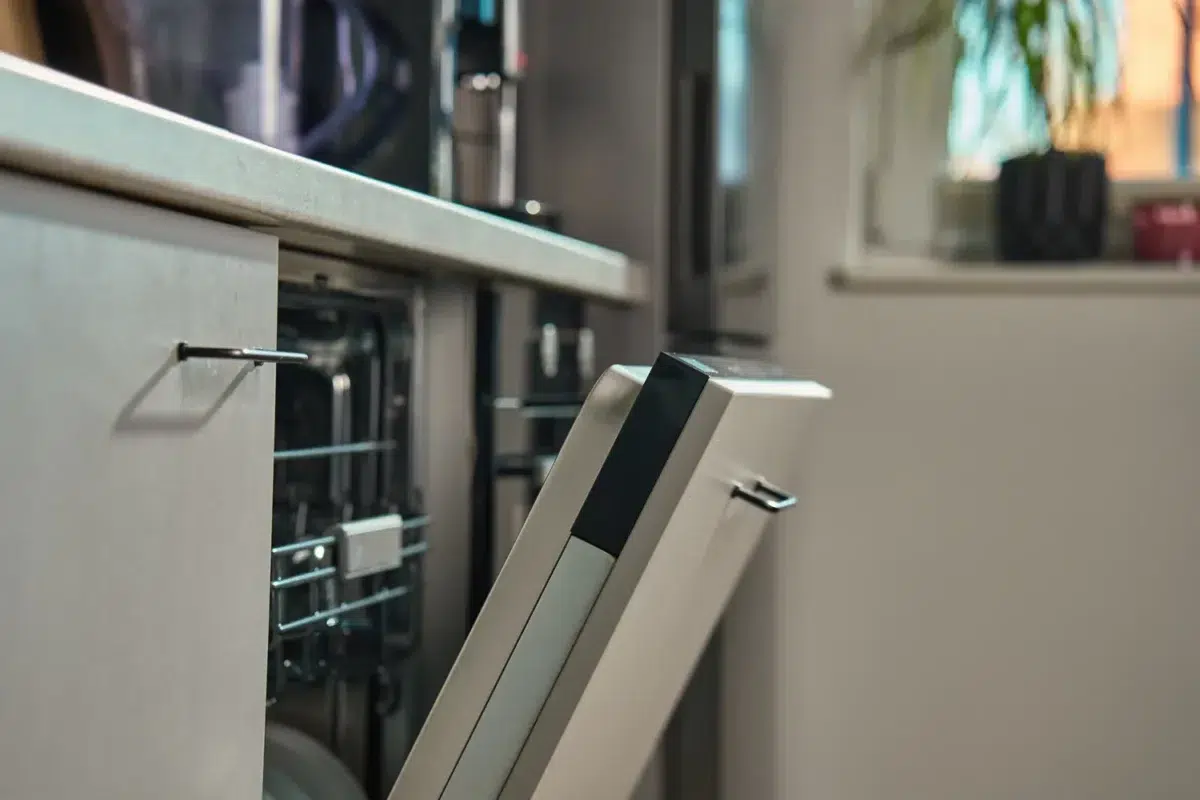
By cracking the door open immediately, you allow this trapped vapour to escape rather than condensing back onto your freshly cleaned plates, glasses and cutlery. This condensation is precisely what creates those annoying water spots and streaks that make your dishes look less than pristine. The steam that escapes carries away excess moisture, dramatically reducing drying time and improving the overall results of your wash cycle.
Another critical benefit of immediate ventilation relates to odour prevention. When hot, humid air remains trapped inside a closed appliance, it creates the perfect breeding ground for bacteria and unpleasant smells. By releasing this moisture promptly, you prevent that musty scent from developing and keep your machine smelling fresh. This simple habit also protects against mould growth, which thrives in warm, damp, enclosed spaces. Much like the dirtiest spot in your microwave everyone forgets to clean, hidden moisture in appliances can harbour unwanted bacterial growth if not addressed properly.
| Opening timing | Drying efficiency | Odour risk | Mould prevention |
|---|---|---|---|
| Immediately after cycle | Excellent | Low | High |
| After 15-30 minutes | Good | Moderate | Moderate |
| After 1 hour or more | Poor | High | Low |
Modern technology takes care of ventilation
If you’re concerned about remembering to open your dishwasher at precisely the right moment, you’ll be pleased to know that contemporary appliance manufacturers have already thought of this. Many current models from well-established brands like Bosch, Electrolux and Whirlpool now feature automatic door-opening systems. These clever mechanisms activate at the end of the wash cycle, opening the door just enough to allow proper air circulation without requiring any intervention from you.
This automatic opening function represents a significant advancement in appliance design. The door typically opens by a few centimetres, creating just the right gap for steam to escape whilst preventing anything from falling inside. This technology ensures optimal drying results every single time, regardless of whether you’re present when the cycle finishes. It’s particularly useful for those who run their dishwasher overnight or before leaving for work.
HomeHere’s what it means when a plastic bag is covering a car’s side mirrorThe innovation doesn’t stop there. Some premium models even include sensors that detect humidity levels and adjust the opening accordingly. This smart approach guarantees that your dishes benefit from ideal drying conditions without wasting energy or exposing the interior unnecessarily. Just as right after heating, this is the appliance that uses the most energy at home, dishwashers also consume significant power, making efficiency improvements valuable for both performance and running costs.
Timing your unloading for best results
Opening your dishwasher immediately doesn’t mean you should start unloading it straight away. There’s an optimal waiting period that allows your dishes to benefit from residual heat whilst avoiding the risks associated with prolonged exposure. After initially cracking the door open to release steam, experts recommend waiting between 30 minutes and one hour before fully emptying your machine.
This waiting period serves several important purposes. First, it allows any remaining moisture on your dishes to evaporate naturally using the residual heat, ensuring they’re completely dry before you put them away. Second, it gives the dishwasher interior time to cool down to a safe handling temperature, reducing the risk of burns from touching hot items or surfaces. Third, it prevents you from transferring still-warm, slightly damp items to your cupboards, where they could create condensation problems.
However, you shouldn’t leave the door wide open indefinitely. Here’s why prolonged exposure creates new problems :
- Dust particles from your kitchen environment can settle on your clean dishes
- Food crumbs or debris from nearby surfaces might fall inside the appliance
- Small insects could be attracted to the warm, moist environment
- Pets or young children might access the interior, creating safety concerns
Practical steps for optimal dishwasher management
Implementing the correct opening routine is simpler than you might think. When you hear the completion signal, approach your appliance and gently pull the door open by approximately five to ten centimetres. This creates sufficient space for steam to escape without leaving the interior completely exposed. If your kitchen has good ventilation, consider opening a window for a few minutes to help the released moisture dissipate more quickly.
HomeMosquitoes are already coming back — an expert explains when to act to avoid an infestationPay attention to your kitchen environment whilst the dishwasher is airing. If you notice excessive condensation forming on nearby surfaces or windows, your room might need better air circulation. This is particularly important in smaller kitchens or during winter months when natural ventilation is reduced. Maintaining limescale-free interiors also helps appliances function better, which is why this kitchen ingredient is super effective, it dissolves limescale overnight without the need to scrub can be valuable for overall appliance maintenance.
After the recommended waiting period, fully open the door and begin unloading from the bottom rack upwards. This prevents water droplets from upper items dripping onto already-dried lower dishes. Check that everything is completely dry before storing, and wipe down any remaining moisture on the door or rubber seals. Finally, leave the door slightly ajar between uses to maintain freshness and prevent odour buildup. This simple routine protects both your dishes and your investment in quality kitchen equipment.
