
Show table of content Hide table of content
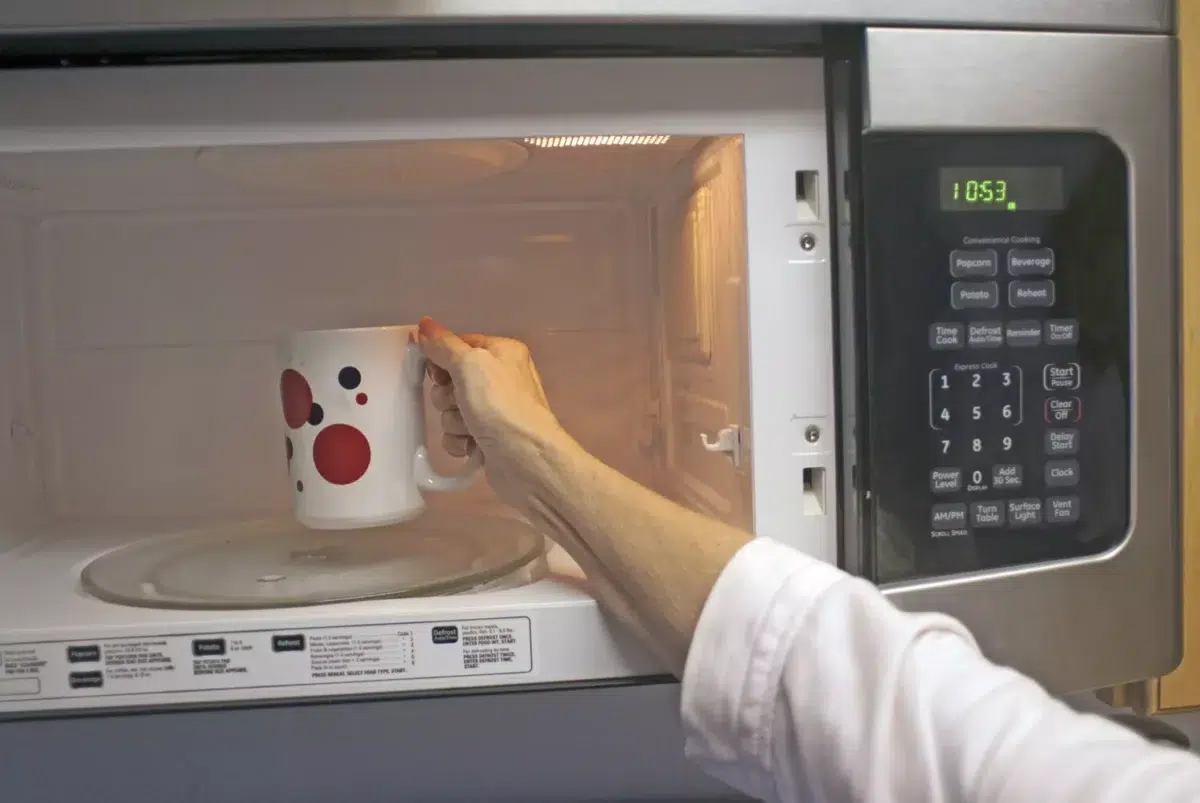
Millions of households rely on microwave ovens daily to heat beverages and meals quickly. While this kitchen appliance seems harmless, heating water and milk can pose unexpected dangers that most users completely ignore. Understanding these risks becomes essential to prevent serious injuries, particularly when dealing with liquids that behave unpredictably under microwave radiation.
The surprising science behind microwave heating risks
Microwave technology operates by generating electromagnetic waves that agitate water molecules within food and beverages. This process creates heat from the inside out, fundamentally different from conventional stovetop methods. The invisible radiation targets moisture content, causing rapid temperature increases that aren’t always visible to the naked eye.
When you heat plain water in a pristine container, something peculiar occurs. The liquid can reach temperatures exceeding the normal boiling point of 100°C without displaying typical bubbling signs. This phenomenon, called superheating, creates a deceptively calm surface while the water remains dangerously hot beneath. The absence of impurities or nucleation sites prevents bubble formation, masking the true temperature from unsuspecting users.
The Food and Drug Administration has documented numerous incidents where this superheated state resulted in violent eruptions. A simple action like lifting the cup, adding instant coffee granules, or inserting a spoon can trigger an explosive release. The sudden disturbance provides nucleation points, causing instantaneous boiling that propels scalding liquid outward with surprising force. Facial burns and hand injuries have been reported from these unexpected explosions, some requiring medical attention.
Regular maintenance matters too. The dirtiest spot in your microwave everyone forgets to clean can affect heating patterns and potentially contribute to uneven temperature distribution in your beverages.
Special concerns when microwaving milk and infant formula
Dairy products present additional challenges beyond plain water. The FDA explicitly warns against heating breast milk or infant formula in microwave ovens due to documented safety concerns. Unlike water, milk contains proteins, fats, and sugars that respond differently to microwave energy, creating even more pronounced temperature variations.
Studies reveal that microwaved milk heats unevenly, developing extremely hot pockets within seemingly warm liquid. These scorching zones can severely burn a baby’s delicate mouth, throat, and digestive tract before parents realize the danger. Testing temperature on the wrist or back of the hand fails to detect these internal hot spots, making traditional safety checks unreliable.
HomeNo more scrubbing — limescale at the bottom of the toilet comes off easily thanks to this one ingredientTemperature distribution issues extend beyond infant feeding. Regular milk for coffee or cooking experiences similar uneven heating patterns. The outer portions might feel lukewarm while interior sections reach scalding temperatures. This inconsistency explains why many people have burned their tongues despite the container feeling only moderately warm to touch.
| Liquid type | Boiling point | Superheating risk | Recommended method |
|---|---|---|---|
| Plain water | 100°C | High | Stovetop or electric kettle |
| Whole milk | 100°C | Medium-high | Stovetop with stirring |
| Infant formula | Varies | Extreme | Warm water bath only |
| Coffee/tea | 100°C | Medium | Stovetop preferred |
Proven safety strategies recommended by manufacturers
Following manufacturer guidelines substantially reduces accident risk when microwaving liquids becomes unavoidable. Leading brands like LG provide specific protocols that address superheating dangers through systematic approaches that promote temperature equalization throughout the heating process.
The essential steps include :
- Stir thoroughly before starting to distribute any existing temperature variations
- Pause halfway through the heating cycle to mix the liquid again
- Allow a waiting period after the timer stops before removing the container
- Agitate the beverage once more before testing temperature or consuming
- Verify warmth carefully, especially for baby bottles or toddler foods
Some manufacturers like Neff suggest an unconventional technique involving metal utensils. Placing a metal spoon completely submerged in the center of the liquid can actually improve temperature homogenization during heating. The metal must remain at least 2 centimeters from all interior walls and the door surface to prevent arcing. While counterintuitive given general warnings about metal in microwaves, this method works because liquid absorbs the electromagnetic waves before they reach the metal surface.
However, this technique requires extreme precision and confidence in your equipment. Most safety experts recommend avoiding it unless explicitly instructed by your specific appliance manual. The potential for sparks, fires, or appliance damage outweighs convenience for most households. Just as water heaters consume significant energy, microwaves demand respect for their power output.
Practical alternatives for safer beverage heating
Traditional methods eliminate superheating risks entirely while providing better control over final temperature. Electric kettles with automatic shutoff features boil water safely and often faster than microwave heating. These appliances clearly signal when water reaches boiling point through audible clicks and visible steam production.
HomeHere’s what it means when a plastic bag is covering a car’s side mirrorStovetop heating allows visual monitoring throughout the process. You can observe bubble formation, adjust flame intensity, and achieve consistent results every time. For milk specifically, gentle stovetop warming with frequent stirring prevents skin formation and ensures even heat distribution. This traditional approach takes slightly longer but guarantees safety, particularly when preparing beverages for children or elderly individuals with sensitive mouths.
Consider removing limescale buildup from your kettle regularly to maintain efficient operation. Clean appliances perform better and last longer than neglected equipment. Similarly, modern alternatives exist for traditional fixtures across your home, showing how innovation improves daily routines.
Temperature-controlled devices designed specifically for infant formula provide optimal solutions for parents. These specialized warmers heat bottles gradually and evenly, eliminating hot spots while preserving nutritional integrity. Investment in purpose-built equipment pays dividends through peace of mind and injury prevention, especially during exhausting late-night feedings when alertness naturally decreases.
HomeMosquitoes are already coming back — an expert explains when to act to avoid an infestationUnderstanding the hidden dangers of microwaving liquids empowers informed decisions about daily kitchen practices. Whether choosing alternative heating methods or following strict safety protocols, awareness transforms this common convenience into a safer experience for everyone in your household.
