
Show table of content Hide table of content
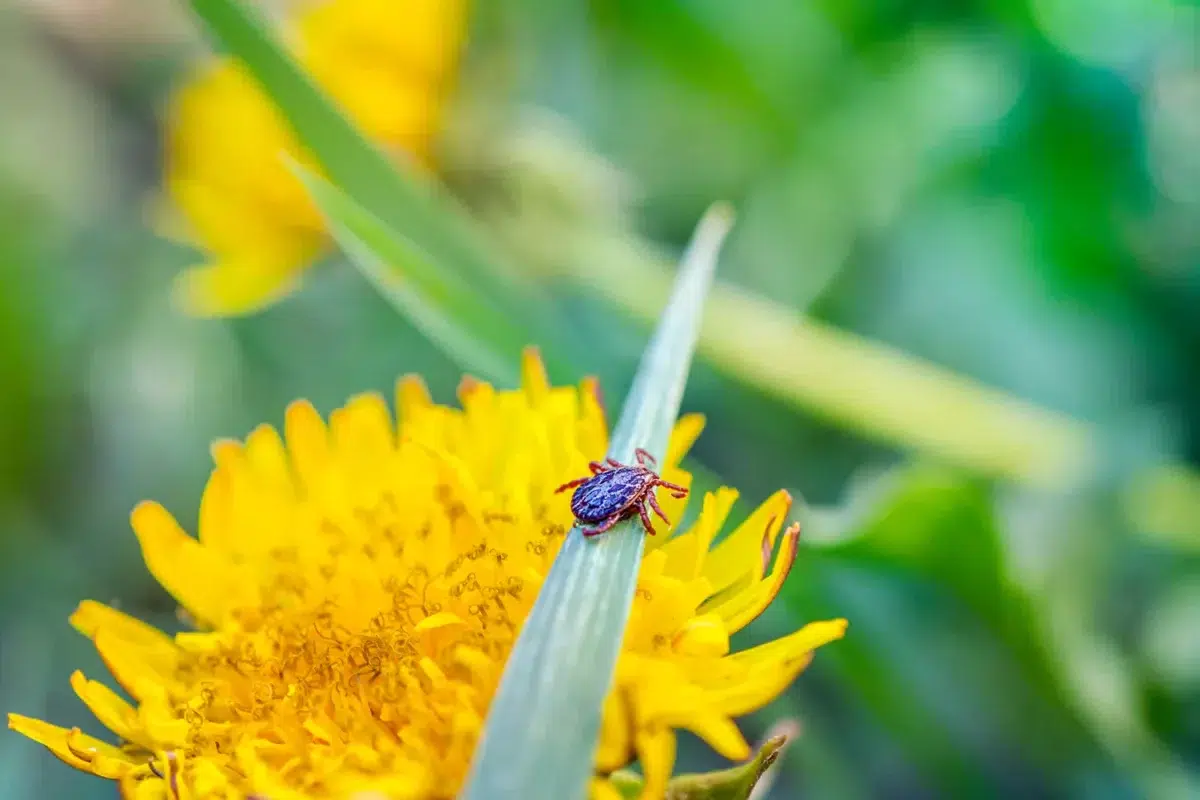
Spring gardening brings joy and renewal, but it also awakens tiny creatures that pose genuine health risks. While we carefully select flowering plants and maintain our lawns, few homeowners realize that certain vegetation actively attracts ticks, transforming peaceful gardens into potential danger zones. These microscopic arachnids, measuring between 3 mm and 1 cm, become particularly active from April through November, making spring the critical season for preventive action.
Dense ground covers and moisture-loving vegetation create tick habitats
Gardens harboring specific plant types inadvertently become breeding grounds for these blood-feeding parasites. Dense ground cover plants create the perfect microenvironment for tick populations to thrive. Ivy, with its thick mat-forming growth habit, provides exactly the conditions these creatures seek : constant shade, retained moisture, and protection from predators. The layered foliage traps humidity close to the soil, maintaining the damp conditions essential for tick survival.
Ferns represent another category of problematic vegetation in tick-prone areas. These ancient plants naturally flourish in shaded, humid environments, precisely the conditions that support robust tick populations. Their fronds create sheltered microhabitats where ticks can wait for passing hosts. Similarly, tall ornamental grasses left unmanaged through growing seasons become vertical highways for ticks, allowing them to climb and position themselves at ideal heights to latch onto humans and pets.
Rapid spring lawn growth presents particular challenges. Unmowed grass quickly reaches heights where ticks can effectively quest for hosts. During April and May, when vegetation shoots upward, neglected lawns transform into tick sanctuaries. Regular maintenance becomes not just aesthetic but critical for health protection. You need to act now to prevent a spring invasion, this tiny creature can be very dangerous, making early season vigilance essential for multiple pest threats.
Hedges and overgrown shrubs harbor hidden tick populations
Boundary plantings frequently overlooked in maintenance routines create significant tick reservoirs. Thuja hedges, extremely popular in residential landscapes, become problematic when allowed to grow dense and untrimmed. Their evergreen foliage blocks sunlight while trapping moisture, establishing ideal conditions for tick development. The interior branches of neglected hedges remain perpetually damp and shaded, providing perfect hiding spots.
Several commonly cultivated shrubs present similar risks. Black lilac, with its thick branching structure, creates shadowy interiors that remain humid even during dry periods. Wild blackberry brambles, elderberries, and hazelnut bushes all share characteristics that make them tick magnets. Their dense growth patterns obstruct air circulation, maintaining the constant dampness these arachnids require.
| High-risk plants | Why ticks love them | Management strategy |
|---|---|---|
| Dense ivy ground cover | Retains moisture, provides shade | Replace with low-growing alternatives |
| Overgrown thuja hedges | Creates humid, dark interior spaces | Regular trimming, improve air flow |
| Unmaintained ferns | Thrives in damp, shaded conditions | Thin out plantings, increase sunlight |
| Wild berry brambles | Thorny density traps humidity | Remove or severely prune back |
Garden debris accumulation compounds these problems. Piles of branches, wood stacks, and leaf litter in shaded, moist areas become tick hotels. These organic materials decompose slowly, maintaining humidity while providing shelter. Properties bordering forests, meadows, or agricultural land face amplified risks, as wildlife carrying ticks frequently visit these edge habitats.
Strategic planting and maintenance practices repel ticks naturally
Fortunately, nature provides effective deterrents through specific botanical choices. Aromatic herbs release volatile compounds that ticks find repellent. Lavender, with its distinctive fragrance, creates an olfactory barrier these parasites actively avoid. Rosemary and thyme serve dual purposes, offering culinary value while discouraging tick presence through their potent essential oils.
Lemon balm and wormwood produce similarly strong scents that disrupt tick questing behavior. Citronella geranium releases compounds particularly offensive to various parasites, including ticks. Planting these species strategically around lawn perimeters, near seating areas, and along garden pathways creates natural protective zones. Weeds disappear in just one day, everyone already has this product at home, demonstrating how simple household solutions complement pest management strategies.
Tansy deserves special mention among tick-repelling plants. This hardy perennial produces a powerful camphor-like odor that numerous parasites find intolerable. Established in mass plantings near vulnerable areas, tansy functions as a living defensive barrier. Catnip, botanically known as nepeta, secretes a natural compound that repels ticks more effectively than many synthetic options.
Implementing comprehensive tick prevention through landscape management
Effective tick control requires combining plant selection with proactive maintenance routines. Regular mowing prevents grass from reaching heights where ticks quest effectively. Keeping lawns trimmed to 7-8 cm eliminates the vertical structure these arachnids need for successful host contact.
GardenPotted lemon tree: the exact watering technique to use in March to prevent flower dropConsider these essential landscape modifications :
- Remove leaf litter and organic debris from shaded, moist areas regularly
- Relocate wood piles away from living spaces and elevate them for air circulation
- Trim low-hanging branches that create perpetual shade and dampness
- Establish gravel or mulch barriers between wooded areas and recreational spaces
- Thin dense plantings to improve sunlight penetration and air movement
Creating distinct landscape zones reduces tick migration from wild areas into maintained gardens. A dry barrier zone using stone or wood chip mulch between forests and lawns interrupts tick travel routes. One spoonful of this ingredient on the roots and your orchid will grow much faster, showing how targeted treatments benefit specific plants while broader strategies address pest concerns.
Properties adjacent to natural habitats benefit from buffer plantings of repellent species. Establishing a border of lavender, rosemary, and tansy creates a fragrant defensive perimeter. This approach proves particularly valuable for families with children and pets who spend considerable time outdoors. Understanding which plants inadvertently welcome ticks empowers homeowners to make informed landscaping decisions that protect health without sacrificing aesthetic appeal.
