
Show table of content Hide table of content
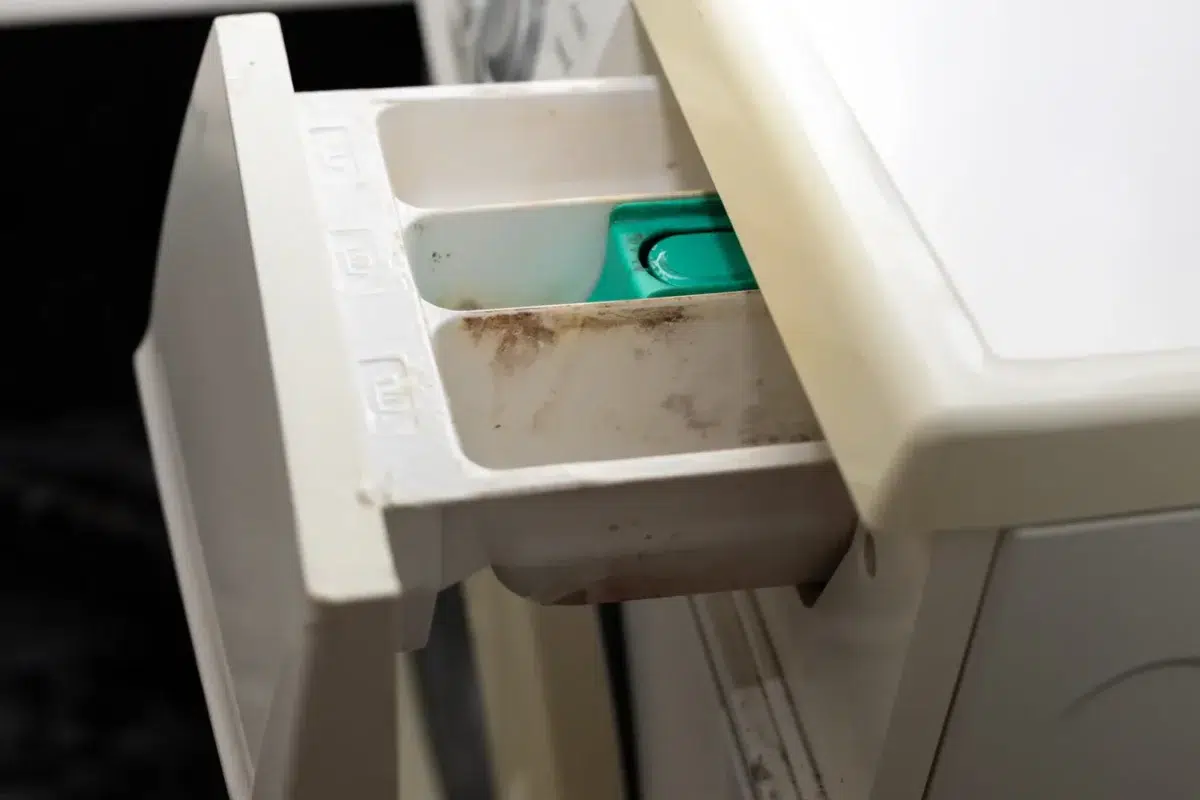
When you discover a pool of fabric softener sitting in the drawer after a wash cycle finishes, this observation deserves your immediate attention. This residual liquid signals potential malfunctions within your washing machine that range from simple fixes to serious mechanical failures requiring expert intervention.
Why product thickness creates drainage complications
The viscosity of your fabric softener plays a crucial role in how effectively it disperses during the wash cycle. Many concentrated formulas contain thickening agents that prevent proper flow through the machine’s dispensing system. These dense liquids struggle to evacuate completely from the compartment, especially when temperatures drop during winter months.
A straightforward remedy involves diluting your softener with warm water before adding it to the drawer. This simple preparation step reduces the product’s thickness and facilitates smoother drainage. Mix equal parts softener and lukewarm water in a separate container, then pour this mixture into the appropriate compartment. This technique proves particularly effective for budget brands that often contain higher concentrations of binding agents.
If dilution fails to resolve the issue, the problem likely extends beyond product consistency. The dispensing mechanism itself may harbor hidden obstructions that prevent proper evacuation. Regular maintenance of these components becomes essential for optimal machine performance and longevity of your appliance.
Siphon and filter obstructions requiring attention
The siphon system beneath your detergent drawer frequently accumulates residue that blocks fluid passage. To diagnose this specific problem, fill the softener compartment with plain water while the machine remains off. If the water sits without draining after several minutes, you’ve identified a siphon blockage as the culprit.
Cleaning this component requires minimal technical skill. Locate the siphon mechanism underneath the detergent drawer assembly, typically accessible by removing the entire drawer unit. Unscrew the siphon carefully, empty any standing liquid, and wash all parts thoroughly with soapy water. This kitchen ingredient is super effective, it dissolves limescale overnight without the need to scrub, making it an excellent solution for stubborn deposits inside these narrow passages.
The filter element presents another common obstruction point in the dispensing pathway. Remove this small screen or mesh component and rinse it under running warm water to dislodge trapped particles. Fabric softener residue combines with detergent deposits and lint to create a sticky barrier that prevents normal water flow. Inspect these filters monthly to prevent buildup from compromising machine function.
| Component | Cleaning frequency | Difficulty level |
|---|---|---|
| Siphon mechanism | Every 3 months | Easy |
| Drawer filter | Monthly | Very easy |
| Dispensing compartments | Bi-weekly | Very easy |
Water pressure deficiencies affecting performance
Insufficient water pressure represents a less obvious but equally problematic cause of incomplete product dispensing. Your washing machine requires adequate pressure to create the suction effect that pulls softener from its compartment during the rinse cycle. When household water pressure falls below optimal levels, this evacuation process fails.
Professional appliance specialists indicate that washing machines function correctly within a pressure range of 0.3 to 10 bars at the supply point. Pressure readings below this threshold prevent the machine from generating sufficient force to empty compartments completely. You can verify your home’s water pressure using an inexpensive gauge attached to an outdoor faucet.
Addressing pressure issues involves several potential solutions :
- Adjusting your existing pressure reducer valve to increase flow rates
- Installing a pressure booster pump for chronically low-pressure systems
- Checking for partially closed supply valves that restrict water delivery
- Examining pipes for corrosion or mineral deposits reducing internal diameter
These adjustments sometimes require plumbing expertise, particularly when installing booster equipment. However, simply opening supply valves fully or cleaning aerators often provides immediate improvement without professional assistance. Weeds disappear in just one day, everyone already has this product at home, and similar household solutions can help maintain clear pipes throughout your plumbing system.
Electrovalve malfunctions demanding professional repair
The electrovalve controls water distribution throughout your washing machine, directing flow to specific compartments at precise moments during each cycle. When this electromagnetic component fails, the softener drawer never receives adequate water volume to flush its contents completely. This malfunction presents the most serious scenario among potential causes.
Unlike simple maintenance tasks, electrovalve replacement requires technical knowledge and specialized tools. The component integrates with your machine’s electronic control board, making improper handling potentially catastrophic. Amateur repair attempts frequently result in complete appliance failure, transforming a manageable issue into an expensive replacement scenario.
HomeMosquitoes are already coming back — an expert explains when to act to avoid an infestationWarranty considerations add another layer of complexity to DIY repair decisions. While statutory consumer protection laws remain valid regardless of who performs maintenance, private extended warranties from retailers often contain exclusion clauses. These provisions void coverage when unauthorized technicians or owners modify internal components, leaving you financially responsible for subsequent failures.
Recognizing when to seek professional assistance protects both your appliance and your investment. If basic cleaning and pressure adjustments fail to resolve persistent softener retention, contact a certified repair technician. The modest diagnostic fee proves worthwhile compared to the substantial cost of replacing a damaged machine or forfeiting warranty protection through misguided repair attempts.
