
Show table of content Hide table of content
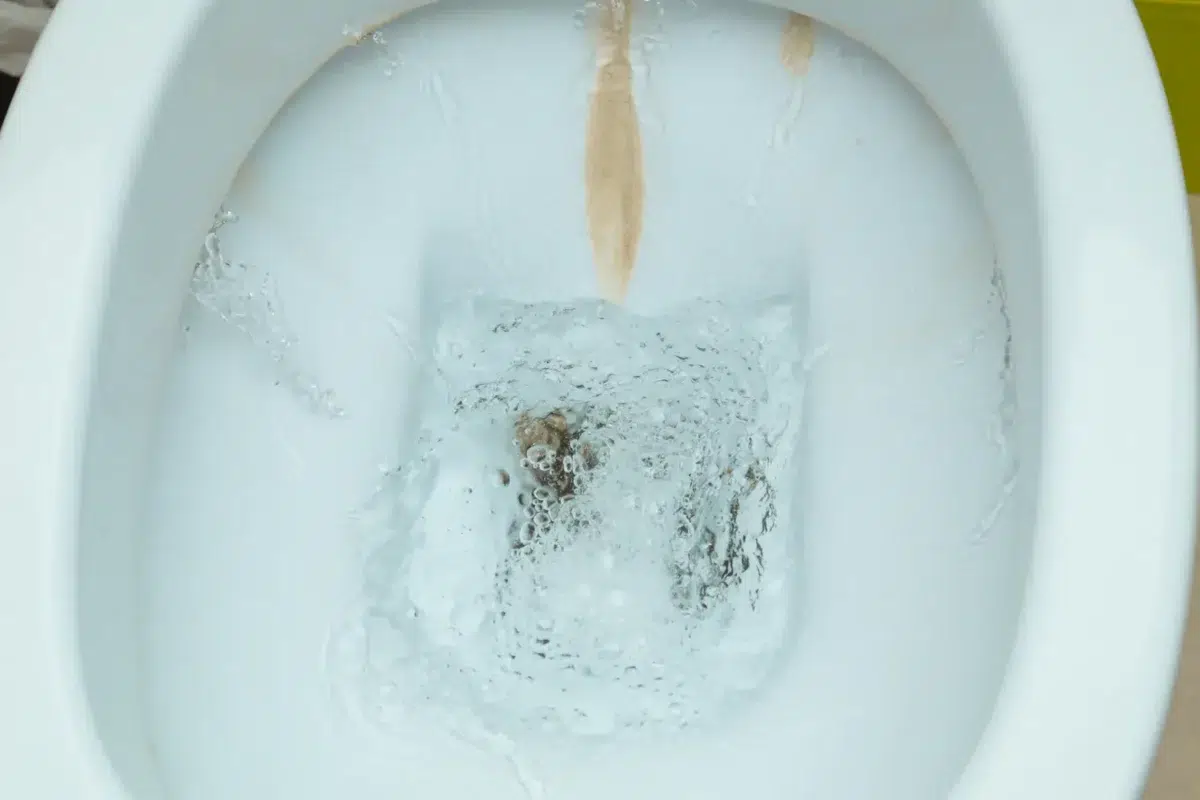
That persistent discolored ring circling the inside of your toilet bowl isn’t just unsightly, it’s a battle between mineral deposits and hygiene. This stubborn marking appears where water sits between flushes, creating an environment where calcium and urine residues combine to form what experts call urinary scale. The harder your water supply, the more aggressive this buildup becomes. Understanding why this line forms is the first step toward eliminating it permanently from your bathroom fixtures.
Why mineral deposits create that stubborn waterline
The chemistry behind this phenomenon involves a perfect storm of conditions. When water remains stationary at a specific level in your porcelain basin, minerals naturally present in your household supply begin settling on the smooth surface. These calcium compounds react with organic matter, particularly uric acid residues, creating a rough texture that attracts additional particles. This process accelerates in regions with high mineral content in the water supply.
Once this layer hardens, it transforms into a concrete-like substance that resists ordinary cleaning efforts. The roughened surface becomes a magnet for bacterial growth and additional debris, which explains the progression from pale beige to darker brown shades. This graduated discoloration indicates different layers of accumulation over time. The longer you ignore this issue, the more challenging removal becomes, as each layer bonds more firmly to the underlying surface.
Temperature fluctuations and pH levels also play significant roles in this formation. Warmer water temperatures can actually accelerate mineral precipitation, while acidic conditions might slow the process slightly. Just as the dirtiest spot in your microwave everyone forgets to clean requires targeted attention, these waterline stains demand specific treatment strategies rather than generic scrubbing.
Preventive measures that actually work
Establishing consistent maintenance routines dramatically reduces the formation of these unsightly marks. A quick brush sweep after each use might seem excessive, but this simple habit prevents initial deposits from gaining traction on porcelain surfaces. This practice becomes especially crucial in areas with documented hard water problems, where mineral content exceeds recommended thresholds.
However, brushing alone won’t solve the entire problem. Consider these complementary strategies to maintain cleaner surfaces :
- Weekly deep cleaning sessions targeting problem areas before buildup hardens
- Installing water softening systems to reduce mineral concentration at the source
- Using automatic tank cleaners that release treatment agents with each flush
- Monitoring water level adjustments to minimize the stagnation zone
These preventive steps work together to create an environment less conducive to scale formation. Think of it as maintaining healthy habits rather than treating problems after they develop, much like simple solutions for family dinners that prevent stress rather than managing chaos.
Natural cleaning methods that deliver results
White vinegar stands as the most effective natural solution for dissolving mineral deposits. Create a cleaning spray by combining three parts water with one part distilled vinegar in a spray bottle. Thoroughly coat the affected surfaces, paying particular attention to the discolored waterline. Allow this mixture to work for fifteen minutes before scrubbing vigorously with a stiff brush.
For submerged areas requiring deeper treatment, heat vinegar on your stovetop without reaching boiling temperature. Pour this warmed solution directly into the bowl, ensuring coverage of the entire problematic zone. The elevated temperature enhances the acetic acid’s ability to break down calcified deposits, similar to how one spoonful of this ingredient on the roots and your orchid will grow much faster works through enhanced absorption.
| Treatment method | Contact time | Effectiveness level |
|---|---|---|
| Vinegar spray application | 15 minutes | Moderate stains |
| Paper towel soaking technique | 2-3 hours | Stubborn deposits |
| Heated vinegar treatment | 30 minutes | Heavy buildup |
| Overnight salt combination | 8-12 hours | Extreme cases |
The absorbent paper method proves particularly effective for vertical surfaces. Saturate several sheets with pure vinegar and press them firmly against the stained areas. The dampened paper adheres naturally to the porcelain, maintaining constant contact with the deposits. Leave this application in place for two to three hours before removing and scrubbing. Most persistent marks disappear after two treatments using this approach.
Advanced techniques for extreme situations
When standard approaches fail to produce desired results, combining vinegar with baking soda creates a chemical reaction that loosens particularly stubborn accumulations. Pour half a liter of vinegar followed by two to three tablespoons of baking soda directly into the affected area. The resulting effervescence generates mechanical action that helps dislodge hardened material. Wait fifteen minutes before scrubbing thoroughly with a firm brush.
Although these two substances neutralize each other’s cleaning properties when fully mixed, the fizzing reaction itself provides valuable mechanical disruption of calcified layers. This carbonation effect penetrates microscopic crevices that brushing alone cannot reach. Ensure adequate ventilation during this process, as the reaction releases carbon dioxide gas.
HomeMosquitoes are already coming back — an expert explains when to act to avoid an infestationFor the most severe cases requiring aggressive intervention, washing soda crystals dissolved in hot water provide exceptional dissolving power. This alkaline compound breaks down organic compounds and mineral scales more aggressively than standard cleaning agents. Alternatively, combining heated vinegar with coarse salt and allowing this mixture to work overnight delivers remarkable results even on decade-old stains that have resisted other treatments.
Remember that maintaining clean bathroom fixtures requires understanding both chemistry and consistency. By implementing preventive habits and responding promptly when discoloration appears, you can keep your facilities looking pristine without resorting to harsh commercial chemicals or exhausting scrubbing sessions.
