
Show table of content Hide table of content
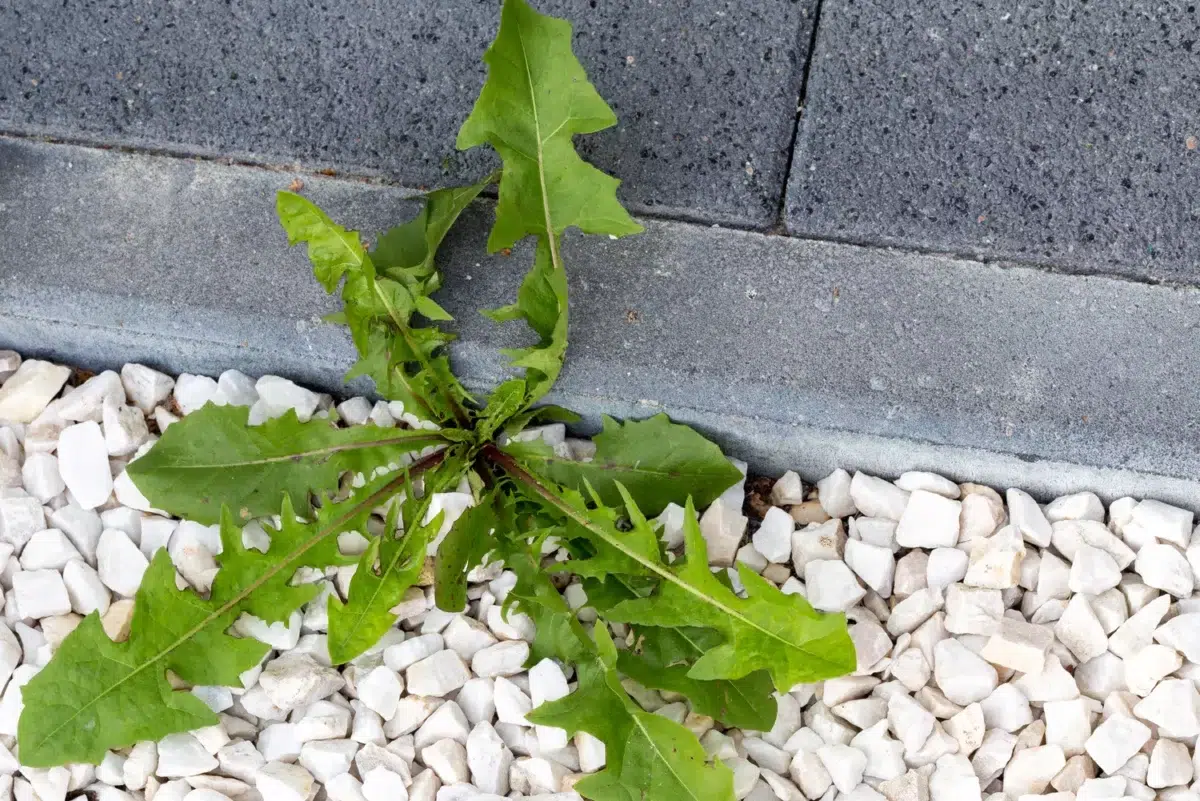
Tired of battling persistent weeds sprouting between your paving stones or invading your gravel pathways ? The solution might already be sitting in your kitchen, and it won’t cost you a single penny. This remarkably effective method eliminates unwanted vegetation without harming the environment or requiring hours of backbreaking manual labor. While many homeowners resort to expensive chemical treatments or endless weeding sessions, there’s a surprisingly simple alternative that works incredibly fast.
Why eliminating unwanted growth matters for your outdoor spaces
Tackling invasive plants goes far beyond maintaining an attractive yard. When vegetation establishes itself between patio slabs or within decorative stonework, the consequences extend deeper than aesthetics. These unwelcome plants actively damage structural elements, gradually compromising the integrity of mortared joints and sand stabilization systems that hold your hardscaping together.
Over time, root systems penetrate deeper into cracks and crevices, causing displacement that creates uneven surfaces. This deterioration doesn’t just look unsightly—it creates genuine safety hazards. Tripping risks increase as stones shift position, and the repair costs escalate exponentially when foundation damage occurs. Addressing vegetation problems promptly prevents these expensive complications while preserving the visual appeal of your outdoor living areas. Much like how household items tackle stubborn stains efficiently, natural solutions can revolutionize your garden maintenance routine.
Property values also benefit from well-maintained pathways and patios. Potential buyers immediately notice neglected hardscaping, and overgrown areas signal poor property care. Whether you’re planning to sell or simply take pride in your home’s appearance, controlling unwanted growth demonstrates responsible ownership and attention to detail.
The science behind this zero-cost elimination method
Boiling water acts as a powerful natural herbicide by destroying plant cells instantly through thermal shock. When superheated liquid contacts leaf tissue, it causes immediate cellular breakdown. The extreme temperature denatures proteins and ruptures cell walls, effectively cooking the plant from the outside in.
Within just a few hours after application, visible yellowing begins as chlorophyll breaks down and photosynthesis ceases. By the following day, complete wilting occurs as the plant loses its ability to transport nutrients and maintain structural integrity. The penetrating heat also reaches shallow root systems, significantly delaying regrowth compared to simply pulling plants by hand.
| Time After Application | Visible Plant Changes | Cellular Activity |
|---|---|---|
| 0-2 hours | Initial wilting begins | Protein denaturation starts |
| 3-6 hours | Yellowing becomes apparent | Chlorophyll breakdown accelerates |
| 12-24 hours | Complete desiccation occurs | All cellular function ceases |
This approach offers remarkable environmental advantages over chemical alternatives. Commercial herbicides contain compounds that persist in soil, potentially contaminating groundwater and harming beneficial organisms. Heated water leaves absolutely no toxic residue, breaks down naturally, and poses zero threat to surrounding ecosystems. Similar to how kitchen staples dissolve mineral deposits safely, this method harnesses simple physics rather than dangerous chemistry.
Step-by-step application process for maximum effectiveness
Implementing this technique requires minimal preparation and no specialized equipment. Begin by selecting an appropriate container—either a kettle or large saucepan works perfectly. Fill it with sufficient water to cover your target area, then heat it until achieving a vigorous rolling boil. The water must reach maximum temperature for optimal plant destruction.
Once ready, carefully transport your container to the affected area. Pour the scalding liquid directly onto vegetation, focusing particularly on the base where stems emerge from soil or cracks. Thorough saturation ensures heat penetrates rootstock rather than just affecting surface foliage. For larger infestations, work systematically across sections to maintain water temperature throughout the process.
Follow these key guidelines for best results :
- Target only isolated weeds in gravel or between pavers—never near desired plants
- Apply during calm weather conditions to prevent wind-blown splashing
- Use a kettle with a narrow spout for precise application control
- Allow 24 hours before assessing effectiveness and planning second treatments
- Remove dead vegetation promptly to prevent seed dispersal
Particularly resilient species with extensive root networks may require repeat applications several days apart. Don’t become discouraged if initial treatment doesn’t completely eliminate stubborn specimens—persistence pays off. Just as natural solutions enhance plant health gradually, complete eradication sometimes demands multiple interventions.
Critical safety considerations and application limitations
While incredibly effective, this method demands respect and careful handling. Boiling water causes severe burns upon skin contact, so protective measures are essential. Wear closed-toe shoes with good traction, long pants, and consider heat-resistant gloves when transporting containers. Never rush the process or attempt to carry excessive quantities simultaneously.
Children and pets must be kept away from treatment zones both during application and immediately afterward. Hot surfaces retain dangerous temperatures longer than expected, especially on sunny days when stone and concrete absorb additional heat. Post visible warnings if treating areas near play spaces or frequently traveled paths.
GardenPotted lemon tree: the exact watering technique to use in March to prevent flower dropApplication restrictions significantly impact where this technique works effectively. Lawns, garden beds, and areas surrounding desirable vegetation are strictly off-limits—the heat cannot discriminate between wanted and unwanted plants. This method excels exclusively in hardscaped environments like gravel driveways, paved walkways, and patio gaps where collateral damage won’t occur.
Deeply rooted perennials present additional challenges. While surface foliage dies quickly, extensive underground structures may regenerate from depths boiling water cannot reach. Shallow-rooted annual species respond most dramatically, often requiring just one treatment for complete elimination. Understanding your specific vegetation types helps set realistic expectations and plan appropriate follow-up strategies.
