
Show table of content Hide table of content
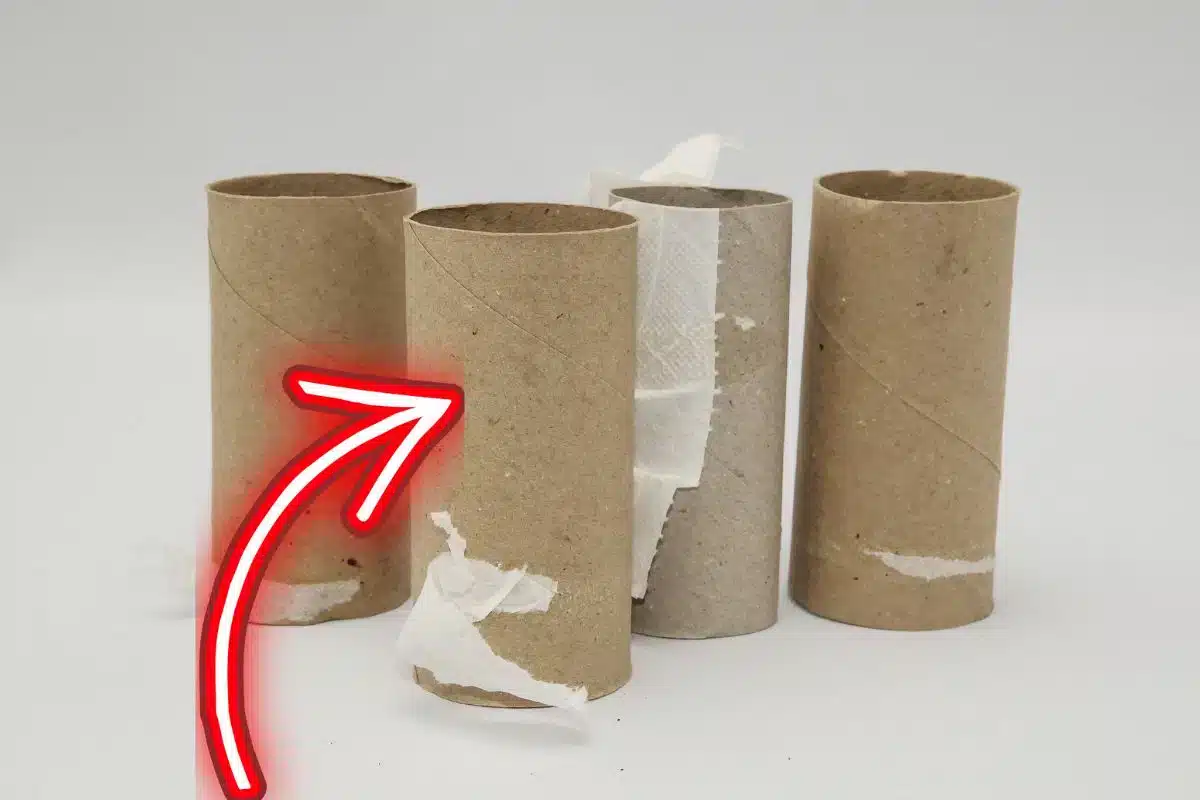
Most households discard cardboard tubes from bathroom tissue without considering their remarkable potential for garden transformation. These cylindrical materials offer gardeners an unexpected opportunity to enhance soil quality while reducing waste. Rather than treating them as disposable items, savvy cultivators recognize these tubes as free composting assets that improve growing conditions naturally.
Cardboard tubes enhance compost structure and balance
The fibrous composition of these cylindrical remnants provides critical carbon content that creates optimal decomposition environments. Compost systems require balanced ratios between nitrogen-rich green materials and carbon-heavy brown components. Kitchen waste and fresh plant clippings supply nitrogen, while cardboard delivers the carbon necessary for microbial activity to flourish.
Adding these tubes to your composting system improves aeration throughout the pile. The hollow structure creates air pockets that allow oxygen circulation, preventing anaerobic conditions that produce unpleasant odors. As microorganisms break down the material, they generate heat that accelerates decomposition of surrounding organic matter. This process typically requires three to six months, depending on environmental factors like temperature and moisture levels.
Before incorporating these materials into your garden routine, verify they contain no plastic coatings or synthetic adhesives. Only pure cardboard tubes should enter your composting area. Tearing or cutting them into smaller fragments speeds decomposition significantly. The resulting humus becomes a nutrient-dense amendment that plants readily absorb through their root systems.
Moisture regulation represents another significant advantage of cardboard composting. The porous structure absorbs excess water during wet periods while slowly releasing moisture when conditions become dry. This natural buffering system maintains consistent humidity levels that support beneficial bacteria and fungi populations throughout your compost pile.
Worms find these materials irresistible for tunneling
Earthworms play an essential role in soil fertility, and toilet paper tubes create ideal habitat conditions that attract these beneficial creatures. The decomposing cardboard provides both food and shelter, encouraging worm populations to establish themselves in garden beds. As these invertebrates consume the material, they excrete nutrient-rich castings that dramatically improve soil composition.
The tunneling behavior of earthworms transforms compacted soil into loose, well-aerated growing medium. These underground networks facilitate water infiltration and root penetration, allowing plants to access nutrients and moisture more efficiently. Gardens with thriving worm populations demonstrate superior plant vigor compared to those with poor biological activity.
| Application method | Decomposition time | Best suited for |
|---|---|---|
| Shredded in compost | 2-4 months | General composting |
| Buried whole near plants | 6-8 months | Established perennials |
| Layered as sheet mulch | 4-6 months | Bed preparation |
| Mixed with leaf litter | 3-5 months | Woodland gardens |
Worm castings contain enzymes and beneficial microorganisms that suppress plant diseases naturally. These biological components create protective barriers around roots while improving nutrient availability. The dark, crumbly texture of worm-processed soil indicates optimal growing conditions for vegetables, flowers, and ornamental plants alike.
Direct application around plant bases offers another effective technique. Burying partial or whole tubes near established specimens creates underground decomposition zones that gradually release nutrients. This slow-release approach provides steady nutrition without overwhelming plants with excessive fertilization. For household cleaning tips that support eco-friendly living, this kitchen ingredient dissolves limescale overnight without harsh chemicals.
Multiple techniques maximize garden benefits
Incorporating these cardboard cylinders into your cultivation practices requires minimal effort while delivering substantial results. The simplest approach involves cutting tubes into segments before adding them to traditional compost bins. Smaller pieces integrate more quickly with vegetable scraps, grass clippings, and other organic materials.
HomeMosquitoes are already coming back — an expert explains when to act to avoid an infestationCreating mulch rings around plant stems offers another valuable application. Place whole or partial tubes in circular patterns, then cover them with soil or organic mulch. As the material breaks down, it feeds both the plant and surrounding soil organisms. This technique works particularly well for permanent plantings like shrubs and fruit trees that benefit from sustained nutrition.
Consider these practical implementation strategies :
- Soak tubes in water overnight before shredding to accelerate breakdown
- Layer cardboard between kitchen waste and yard trimmings in bins
- Mix torn fragments with fallen leaves for effective sheet mulching
- Create worm bedding by combining moistened cardboard with garden soil
Indoor plant enthusiasts can benefit from this composting method as well. One spoonful of specific ingredients on roots combined with quality compost made from cardboard tubes supports vigorous growth for tropical specimens. The improved soil structure benefits container gardens just as effectively as outdoor beds.
Environmental advantages support sustainable practices
Repurposing bathroom waste products reduces landfill contributions while transforming household discards into valuable garden resources. This circular approach aligns perfectly with environmental stewardship principles that emphasize resource conservation. Instead of requiring energy-intensive recycling processes, gardeners convert materials directly into soil amendments.
Improved soil biology from cardboard composting decreases dependence on synthetic fertilizers and chemical treatments. Biologically active soil naturally suppresses pathogens and pests through competitive exclusion and beneficial organism populations. For outdoor maintenance solutions, weeds disappear quickly with common household products when combined with healthy soil practices.
GardenPotted lemon tree: the exact watering technique to use in March to prevent flower dropLong-term benefits accumulate as gardens develop deeper topsoil layers enriched with organic matter. This natural approach supports diverse plant communities while reducing external inputs required for successful cultivation. Economic advantages emerge through decreased spending on commercial amendments and improved plant productivity that delivers better harvests from vegetable gardens.
Combining toilet paper tube composting with companion planting strategies creates synergistic effects throughout growing spaces. Enhanced soil structure supports root systems of diverse species planted together for mutual benefit. The accumulated advantages of this simple practice transform ordinary gardens into thriving ecosystems that require minimal intervention while producing abundant yields season after season.
