
Show table of content Hide table of content
Winter might seem like the season to retreat indoors, but your garden soil is already hosting next season’s invasion. Weed seeds lie dormant beneath the surface, waiting patiently for warmer temperatures to trigger their germination. Taking action now, while outdoor work remains minimal, can save you countless hours of back-breaking labor when spring arrives.
Why winter presents the perfect opportunity for weed prevention
Many gardeners mistakenly believe that winter’s cold temperatures eliminate weed problems entirely. However, dormant seeds possess remarkable survival abilities, remaining viable in soil for years or even decades. These resilient invaders simply bide their time, conserving energy until conditions become favorable for growth. The current season offers a strategic window to create barriers that will disrupt their lifecycle before they ever emerge.
Bare soil patches serve as perfect nurseries for unwanted vegetation. When sunlight reaches exposed earth, it warms the ground and signals dormant seeds that spring has arrived. This natural process, combined with adequate moisture, triggers germination almost immediately. By addressing these vulnerable areas during winter months, you establish defenses that intercept weeds at their most vulnerable stage. Chris Bonnett, founder of GardeningExpress.co.uk, emphasizes that proactive winter measures deliver far better results than reactive spring treatments.
Temperature fluctuations during late winter can actually stimulate early germination in certain weed species. Rather than waiting until you see green shoots pushing through your flowerbeds, implementing preventive strategies now ensures comprehensive protection throughout the growing season. Similar to how you might act now to prevent a spring invasion of harmful creatures, early intervention against weeds proves far more effective than delayed responses.
Creating physical barriers that block sunlight and growth
The most effective defense against unwanted vegetation involves denying seeds the essential resources they need to thrive. Sunlight ranks as the primary trigger for germination, making light-blocking strategies incredibly powerful. Mulch serves as your frontline weapon in this battle, creating a dense layer that intercepts solar radiation before it reaches the soil surface.
Applying organic mulch offers multiple advantages beyond weed suppression. This protective covering maintains consistent soil moisture levels, moderates temperature fluctuations, and gradually decomposes to enrich your earth with valuable nutrients. Wood chips, straw, and compost all function excellently as mulching materials, each bringing unique benefits to your garden ecosystem.
| Mulch material | Optimal depth | Duration of effectiveness | Additional benefits |
|---|---|---|---|
| Wood chips | 3-4 inches | 2-3 years | Slow decomposition, long-lasting protection |
| Straw | 4-6 inches | 1 season | Excellent insulation, affordable |
| Compost | 2-3 inches | 1 season | Immediate soil enrichment |
| Cardboard base layer | Single layer | 6-12 months | Biodegradable, free material |
For particularly stubborn areas, consider implementing sheet mulching techniques. Lay cardboard directly onto bare soil patches, ensuring overlapping edges prevent light penetration. Top this foundation with several inches of organic matter to anchor the cardboard and create an attractive appearance. This method works similarly to using simple household solutions for tough cleaning challenges, where natural barriers replace chemical interventions. The cardboard suffocates existing vegetation while blocking new germination, eventually decomposing to enrich your soil structure.
Cultivation practices that minimize weed establishment
How you interact with your soil during winter directly impacts spring weed populations. Every time you disturb the earth through digging or tilling, you bring buried seeds closer to the surface where conditions favor germination. These seeds might have remained dormant for years at deeper soil levels, but exposure to light and air triggers their growth mechanisms.
When planting becomes necessary during late winter, adopt a targeted approach that minimizes soil disruption :
- Excavate only the specific hole required for your plant’s root ball
- Avoid turning over large soil sections unnecessarily
- Replace disturbed soil carefully, pressing firmly to eliminate air pockets
- Apply mulch immediately around new plantings to close any gaps
- Use hand tools rather than mechanical tillers for small-scale work
Dense planting strategies also contribute significantly to weed prevention. When desirable plants grow closely together, their foliage creates natural shade that suppresses weed germination. Ground covers, spreading perennials, and compact annuals all serve this purpose effectively. Just as proper nutrients help desired plants thrive, strategic spacing helps them outcompete unwanted vegetation for resources.
Timing fertilization to benefit plants, not weeds
Nutrient application during winter requires careful consideration. Most ornamental plants enter dormancy as temperatures drop, dramatically reducing their nutritional requirements. Applying fertilizers during this period provides minimal benefit to your intended vegetation but can inadvertently fuel weed growth instead.
Weed species often demonstrate greater cold tolerance and metabolic activity during marginal seasons. When you spread nutrients across dormant beds, opportunistic weeds absorb these resources eagerly, gaining competitive advantages before spring arrives. This scenario mirrors household situations where proper timing and storage techniques prevent waste and maintain quality.
Reserve fertilization efforts until your desirable plants show clear signs of renewed growth. This typically occurs when consistent daytime temperatures exceed 50°F and new leaf buds begin swelling. At this stage, established plants can utilize nutrients efficiently while their developing root systems and foliage help shade out competing weeds. Slow-release formulations prove particularly valuable, delivering nutrients gradually as soil temperatures warm and plant activity increases.
Maintaining vigilance for lasting weed control
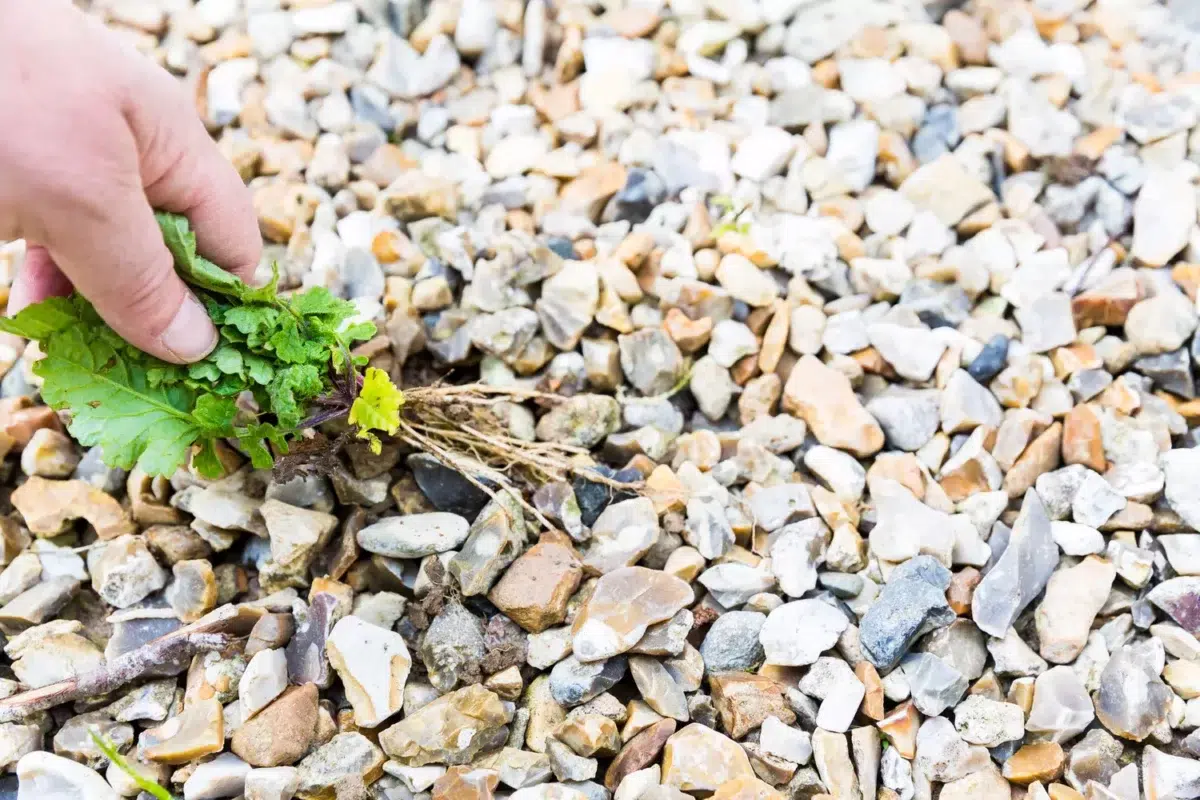
Even with excellent winter preparation, some persistent species will attempt establishment during spring. Regular monitoring allows you to identify and address these problems while they remain manageable. Early detection means individual weeds can be removed by hand before developing extensive root systems or setting seed.
GardenPotted lemon tree: the exact watering technique to use in March to prevent flower dropWalk your garden beds weekly as temperatures warm, watching for emerging seedlings. Remove any unwanted growth immediately, ensuring you extract the entire root system to prevent regrowth. This ongoing attention complements your winter preparations, creating a comprehensive management strategy that delivers clean, healthy garden spaces. For particularly stubborn invasions, you might explore methods similar to quick household solutions for persistent problems.
Consistent maintenance throughout the growing season reinforces your winter efforts, creating a virtuous cycle where decreasing weed populations require progressively less intervention. Your initial time investment during quiet winter months pays dividends through dramatically reduced labor requirements when you’d rather enjoy your thriving garden than battle invasive vegetation.
