
Show table of content Hide table of content
Most households dispose of starchy cooking water down the drain without realizing its potential value. This nutrient-rich liquid represents an untapped resource that could transform the health and vitality of houseplants. While many gardeners invest in commercial fertilizers and specialized potting mixes, a simple kitchen byproduct offers comparable benefits at zero cost. Rice water contains essential minerals and compounds that support robust plant growth, making it an excellent alternative to synthetic products.
Why indoor plants need extra nutritional support
Container-grown plants face unique challenges compared to their outdoor counterparts. Unlike vegetation growing in open ground, which draws nutrients from deep soil layers and natural organic matter, potted specimens rely entirely on the limited substrate within their containers. This confined environment depletes quickly, especially during active growing seasons when plants produce new foliage and blooms.
According to Jilana Thomas, specialist at Feel Grounded, maintaining nutrient-rich soil composition contributes significantly to developing stronger, healthier plants with enhanced resistance to environmental stress and disease. The three primary nutrients required by most species include nitrogen for leafy growth, phosphorus for root development and flowering, and potassium for overall vitality and disease resistance. Without regular supplementation, container plants gradually weaken and fail to reach their full potential. Just as weeds disappear in just one day with this free household product, simple kitchen solutions can revolutionize plant care.
Traditional approaches involve purchasing nutrient-enriched potting soil or specialized fertilizers formulated for specific plant types. However, these commercial options often contain synthetic chemicals and represent an ongoing expense. Creating homemade natural fertilizers from kitchen waste offers an eco-friendly alternative that reduces household waste while providing plants with necessary nourishment.
The hidden nutritional treasure in cooking liquid
When preparing rice, the cloudy water left after cooking contains a surprising concentration of beneficial compounds. This liquid harbors nitrogen, phosphorus, and potassium alongside helpful bacteria and natural sugars. These components work synergistically to promote vigorous root development while improving soil health and structure.
The benefits apply across various rice types, from white and brown to jasmine and basmati varieties. Thomas confirms that regardless of which variety households cook, the resulting water delivers valuable nutrients to indoor plants. This versatility makes rice water an accessible option for nearly any household that regularly prepares this staple grain.
| Nutrient component | Primary benefit | Plant response |
|---|---|---|
| Nitrogen | Foliage development | Lush green leaves |
| Phosphorus | Root strength | Robust root systems |
| Potassium | Disease resistance | Overall vitality |
| Natural sugars | Energy source | Active growth |
| Beneficial bacteria | Soil health | Improved nutrient uptake |
Flowering species particularly benefit from regular applications of this starchy solution. Orchids and lilies respond exceptionally well, producing more abundant blooms with enhanced color intensity. The phosphorus content specifically supports flower production, while the complete nutrient profile ensures plants maintain energy throughout their blooming cycles. Similar to how one spoonful of this ingredient on the roots accelerates orchid growth, rice water delivers comparable results.
Proper collection and storage methods
Harvesting this valuable resource requires attention to specific guidelines. The most critical rule : only unseasoned water proves suitable for plants. Salt, butter, oil, or any other cooking additions render the liquid unusable, as these substances can damage plant roots and soil structure. When cooking rice, simply drain the plain cooking water before adding any seasonings to the prepared grain.
Allow the starchy liquid to cool completely before transferring it to a clean glass jar or container with a tight-fitting lid. Room temperature storage works best, maintaining the solution’s beneficial properties while preventing spoilage. The preserved water remains effective for approximately five days, after which fermentation begins and the solution becomes too acidic for plant use.
For households that cook rice infrequently, collecting smaller amounts over time works perfectly. Each cooking session produces enough liquid to feed several plants, making this zero-cost fertilizer practical even for minimal rice consumption. Much like this kitchen ingredient that dissolves limescale overnight, common cooking byproducts offer unexpected household benefits.
Application techniques for optimal results
Direct application of undiluted rice water poses significant risks to plant health. The concentrated nutrient solution contains starches and compounds that, in pure form, can overwhelm roots and create soil imbalances. Proper dilution proves essential for safe, effective use.
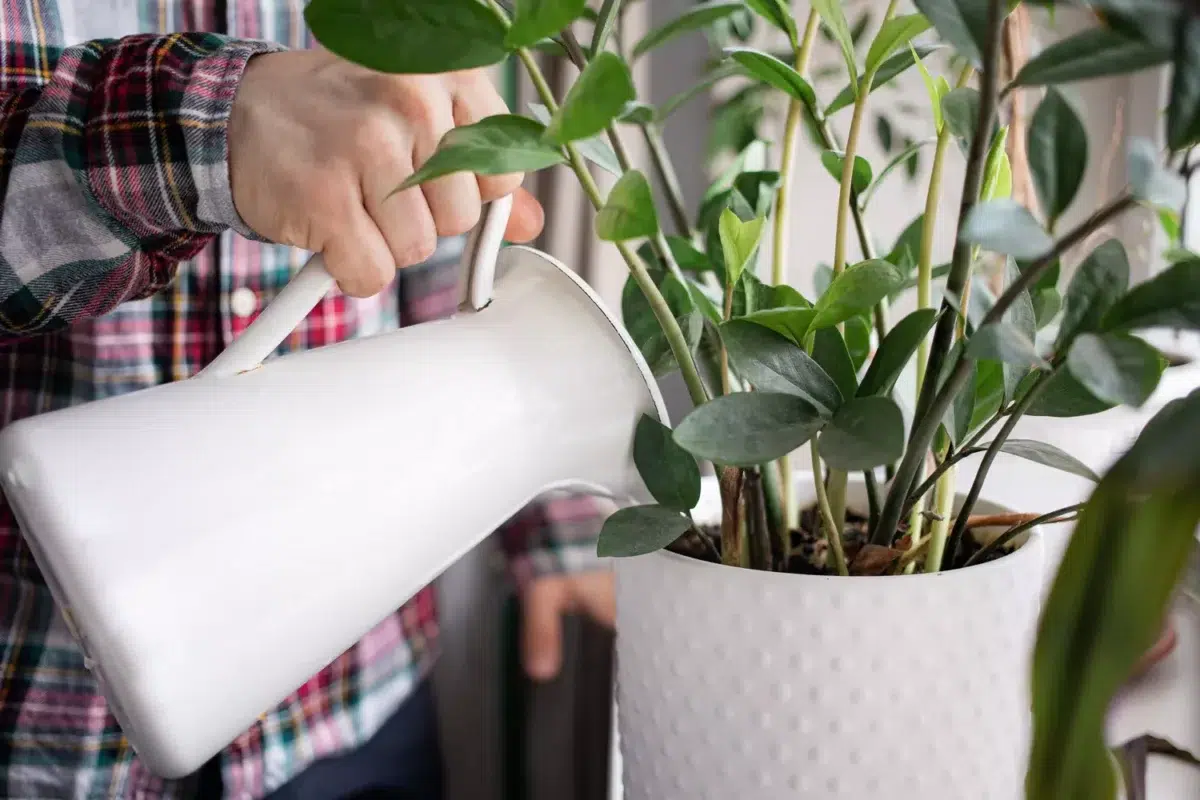
GardenPotted lemon tree: the exact watering technique to use in March to prevent flower dropThe recommended dilution ratio combines one part rice water with three parts regular tap water. This mixture provides adequate nutrients without risking root burn or mineral buildup in the soil. Follow these steps for best results :
- Measure one cup of stored rice water into a watering container
- Add three cups of room-temperature tap water
- Mix thoroughly to ensure even distribution
- Water plants as normal, ensuring soil receives complete moisture
- Apply the solution every four weeks during growing seasons
Timing applications strategically maximizes benefits. Spring and summer months represent peak growing periods when plants actively produce new growth and require increased nutrition. During autumn and winter, most houseplants enter dormancy and need reduced feeding frequency. Adjusting application schedules to match natural growth cycles prevents nutrient waste and potential overfeeding issues.
Monitor plant responses after initial applications. Healthy reactions include vibrant leaf color, new shoot development, and increased flowering in blooming species. Any signs of leaf yellowing, wilting, or stunted growth suggest reducing concentration or extending intervals between applications. Individual plant species vary in their nutrient requirements, so observing specific responses helps fine-tune the feeding regimen.
