
Show table of content Hide table of content
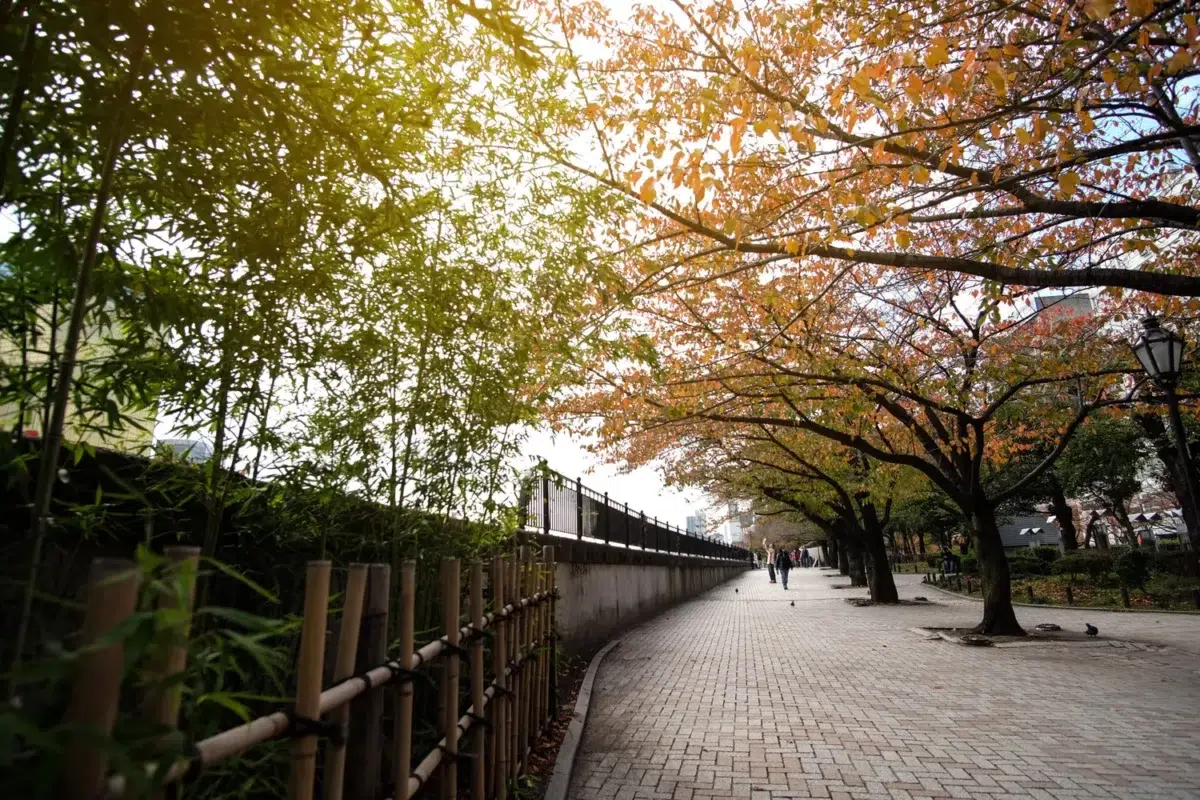
Japan stands out as a remarkable example of urban cleanliness, despite an unusual characteristic that surprises many foreign visitors. Walk through Tokyo, Osaka, or Kyoto, and you’ll notice something peculiar : the absence of public trash bins on the streets. Yet, these cities remain impeccably clean, free from litter and debris. This paradox reveals a sophisticated approach to waste management that relies on collective responsibility rather than convenient disposal points.
The historical decision behind empty streets
The removal of public waste containers wasn’t arbitrary. Japanese authorities gradually eliminated these receptacles following a series of security concerns that peaked in 1995. The sarin gas attacks in Tokyo’s subway system utilized trash bins as concealment spots, prompting a comprehensive reassessment of urban infrastructure. This tragic event catalyzed a shift toward a system where citizens became personally accountable for their refuse.
Beyond security considerations, urban planners recognized that eliminating disposal points could fundamentally transform public behavior. The government implemented policies encouraging residents to carry their waste home, establishing a framework where individual responsibility supersedes convenience. This strategy proved remarkably effective, as citizens adapted quickly to the new expectations. Locals now routinely carry small plastic bags to store their trash until reaching a private collection point or returning home.
The system operates on a simple principle : if you generate waste in public spaces, you remain responsible for its proper disposal. This approach differs radically from Western practices, where municipalities provide numerous bins throughout urban areas. Yet Japan’s method demonstrates that infrastructure isn’t always the solution, and behavioral change can achieve superior results.
Cultural foundations of communal cleanliness
Understanding Japan’s pristine streets requires examining the cultural values that underpin this system. The concept of collective duty permeates Japanese society, where community welfare takes precedence over personal comfort. This philosophy manifests in everyday practices that minimize street litter. For instance, eating while walking is considered inappropriate behavior. Social norms dictate that people should stop, consume their food or beverage, then continue their journey.
Chris McMorran, professor of Japanese studies at the National University of Singapore, explains that residents have internalized this constraint as a form of personal obligation. This integration of responsibility reflects deeper cultural principles about respecting shared spaces. From childhood, Japanese citizens learn that maintaining clean environments benefits everyone and reflects personal character.
The educational system reinforces these values systematically. Students participate in regular cleaning activities at schools, learning that maintaining their environment is everyone’s duty. These early lessons create lifelong habits that extend beyond institutional settings. Just as maintaining household hygiene is important, such as knowing the right temperature to wash your sheets, keeping public spaces pristine becomes second nature.
| Cultural practice | Impact on street cleanliness |
|---|---|
| No eating while walking | Reduces mobile waste generation |
| Carrying personal trash bags | Eliminates improper disposal |
| School cleaning programs | Builds lifelong responsibility habits |
| Community shame for littering | Provides social enforcement mechanism |
Enforcement mechanisms supporting the system
While cultural values provide the foundation, strict regulations ensure compliance. Japanese municipalities impose substantial fines for improper waste disposal, creating financial disincentives for violators. These penalties aren’t merely symbolic; authorities actively enforce them through surveillance systems and public monitoring.
Major cities deploy extensive camera networks that monitor public spaces. Additionally, municipal agents patrol streets, ensuring residents and visitors alike respect environmental regulations. This combination of technological surveillance and human oversight creates an environment where non-compliance becomes difficult and costly. The system demonstrates that effective waste management requires both cultural buy-in and institutional support.
Visitors must adapt quickly to these expectations. What might seem natural in other countries, such as discarding a drink container in a street bin, becomes impossible in Japan. Tourists often find themselves searching unsuccessfully for disposal options, eventually learning to follow local practices. This adaptation process highlights how infrastructure absence can shape behavior as effectively as its presence.
Key principles for maintaining standards
Several fundamental elements ensure this system’s continued success :
- Universal participation : Every individual accepts personal responsibility for their waste, regardless of circumstances.
- Social accountability : Community pressure reinforces compliance through disapproval of improper behavior.
- Consistent enforcement : Regular monitoring and meaningful penalties deter violations.
- Cultural transmission : Educational systems perpetuate values across generations.
Lessons for global urban management
Japan’s approach offers valuable insights for cities worldwide struggling with litter and waste management. The model demonstrates that reducing infrastructure can paradoxically improve outcomes when accompanied by appropriate cultural frameworks and enforcement mechanisms. However, replicating this system elsewhere presents challenges, as it requires fundamental shifts in public attitudes and behaviors.
ScienceThis Austrian giant, standing at 570 feet, will be the first tower in Europe to feature this major innovation: an integrated photovoltaic facade.Western societies typically expect municipalities to provide disposal conveniences, viewing waste management as a public service rather than individual responsibility. Transitioning to a Japanese-style system would require substantial cultural change, supported by education and gradual policy implementation. Cities might begin by reducing bin availability in specific areas while launching awareness campaigns about personal responsibility.
The Japanese example proves that cleanliness isn’t merely about infrastructure but about fostering collective commitment to shared spaces. This philosophy creates environments where every citizen acts as a guardian of public areas, maintaining standards through personal discipline rather than relying on external systems. Such an approach builds community cohesion while achieving superior environmental outcomes.
