
Show table of content Hide table of content
When most people spot a bug in their garden, their first instinct is to eliminate it. This reaction is particularly common when discovering stink bugs, creatures that have earned a somewhat unfair reputation over the years. However, not all shield-shaped insects deserve this negative perception. Among the diverse species inhabiting our outdoor spaces, some actually serve as valuable garden protectors that actively hunt harmful pests threatening your plants.
Why predatory bugs deserve recognition in your garden
The world of garden insects contains far more complexity than many gardeners realize. While certain species like the notorious brown marmorated stink bug can devastate crops by feeding on plant sap and fruits, their predatory cousins operate completely differently. Predatory shield bugs possess a specialized piercing-sucking mouthpart called a rostrum, but they use this tool to hunt other insects rather than damage vegetation. These beneficial hunters measure between 10 and 15 mm in most cases, displaying flattened or shield-shaped bodies in various colors depending on the species.
Understanding the distinction between plant-feeding bugs and predatory species represents a crucial step toward effective organic pest management. The predatory varieties actively seek out aphids, caterpillars, psyllids, butterfly eggs, thrips, spider mites, and numerous other garden troublemakers. By incorporating these natural enemies into your gardening strategy, you can significantly reduce your reliance on chemical interventions. Just as homeowners might need to act now to prevent a spring invasion of certain pests, recognizing beneficial species helps you work with nature rather than against it.
Several families fall under the predatory bug category, including Reduviidae (assassin bugs), Nabidae, Anthocoridae, and others. These insects naturally gravitate toward flowering plants where they can hide while waiting to ambush their prey. Their presence in your garden indicates a healthy ecosystem capable of self-regulation, much like how weeds can disappear naturally when the right conditions exist.
Meet the tiny garden champion : Orius laevigatus
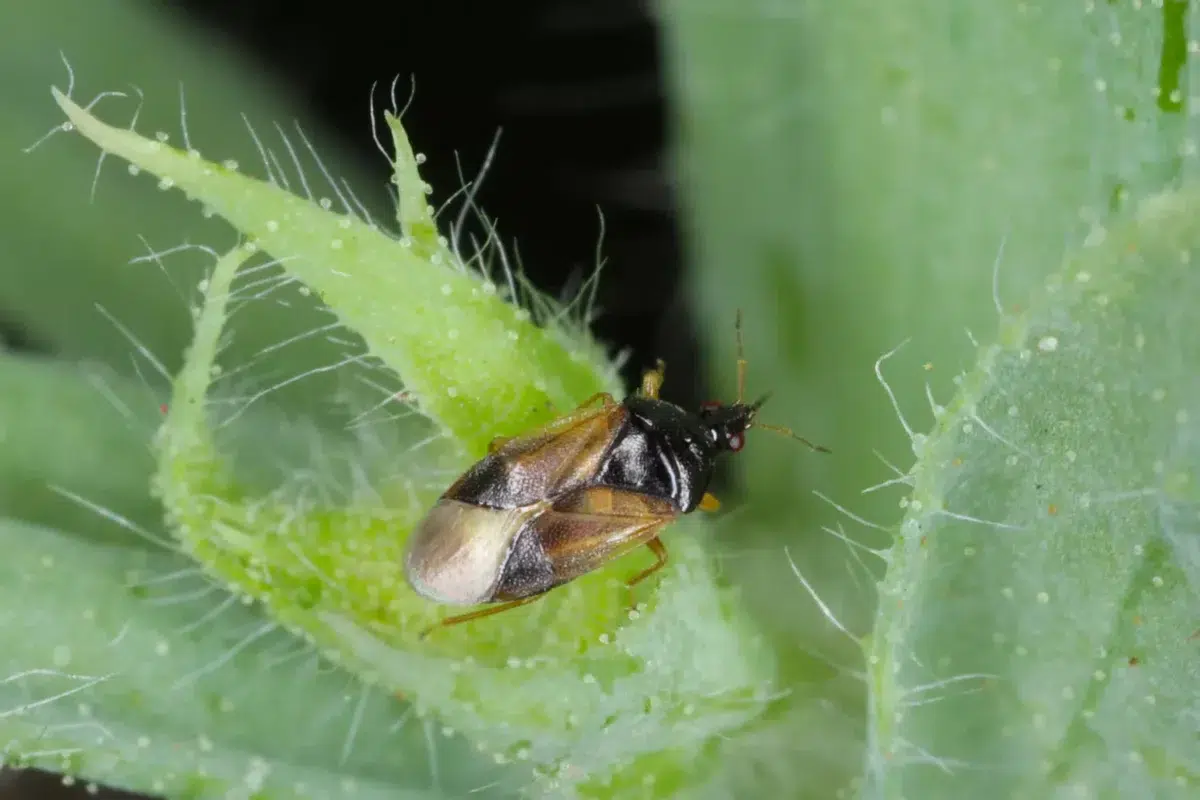
Among predatory species, Orius laevigatus stands out as perhaps the most celebrated biological control agent. This minuscule warrior measures barely 2.5 mm in length and displays a distinctive dark brown coloration that sets it apart from the larger green or marmorated stink bugs. Despite its diminutive size, this insect packs an impressive appetite for garden pests, particularly thrips which can wreak havoc on various crops.
The effectiveness of Orius species extends beyond thrips control. These natural predators also consume :
- Aphids that colonize beans, roses, and tomato plants
- Spider mites that weaken foliage through sap extraction
- Whiteflies capable of transmitting plant diseases
- Moth eggs and young caterpillars before they mature
- Various other soft-bodied pest insects
Several Orius species occur naturally throughout European gardens, arriving without human intervention to establish populations wherever suitable prey exists. Their spontaneous colonization makes them particularly valuable for organic gardeners seeking sustainable pest management solutions. The species Anthocoris nemoralis represents another common predatory bug found across the territory, contributing similarly to pest suppression efforts.
Comparing beneficial and harmful shield bugs
Distinguishing between helpful and problematic species becomes essential for making informed garden management decisions. The following comparison highlights key differences :
| Characteristic | Predatory bugs | Plant-feeding bugs |
|---|---|---|
| Size | 2.5 to 15 mm depending on species | Generally 12 to 17 mm |
| Color | Dark brown, black, or mottled patterns | Green, brown, or marbled gray-brown |
| Diet | Other insects and mites | Plant sap and fruits |
| Garden impact | Reduces pest populations | Damages crops and ornamentals |
| Behavior | Active hunters on flowers and foliage | Sedentary feeders on specific plants |
Recognizing these differences prevents accidental elimination of beneficial garden inhabitants. When you spot a small dark bug among your flowers, resist the urge to immediately crush it. Instead, observe its behavior and size carefully. The tiny predatory species move actively across plants, searching for prey rather than settling in one location to feed on plant tissue.
Supporting natural pest control in your outdoor space
Creating an environment that attracts and sustains predatory bugs requires thoughtful planning rather than elaborate interventions. These biological control agents thrive when gardens offer diverse flowering plants that provide both hunting grounds and alternative food sources. Many predatory bugs supplement their insect diet with pollen and nectar, particularly when prey populations decline temporarily.
Avoiding broad-spectrum pesticides represents perhaps the most critical step in supporting beneficial insect populations. Chemical treatments eliminate both harmful and helpful species indiscriminately, disrupting the natural balance that keeps pest populations in check. Consider how focusing on natural growth solutions for plants can complement your pest management strategy through overall ecosystem health.
Incorporating flowering herbs like dill, fennel, yarrow, and alyssum throughout vegetable and ornamental beds provides ideal habitat for predatory shield bugs. These plants offer convenient hiding spots and hunting platforms while attracting the very pests that predators need for sustenance. The resulting balance mimics natural ecosystems where predator-prey relationships prevent any single species from overwhelming the system.
GardenPotted lemon tree: the exact watering technique to use in March to prevent flower dropUnderstanding that cleanliness applies differently outdoors than indoors also helps. While you might want to eliminate buildup in your kitchen, leaving some plant debris and varied vegetation structure in the garden provides overwintering sites for beneficial insects. Many predatory bugs survive cold months as adults hidden in leaf litter or bark crevices, emerging in spring to begin hunting as soon as temperatures warm and pest populations activate.
The next time you encounter a shield-shaped insect in your garden, take a moment to identify it properly before taking action. That small creature might represent nature’s pest control team working tirelessly to protect your plants from genuine threats. By fostering populations of these remarkable hunters, you participate in ecological stewardship that benefits both your garden and the broader environment.
