
Show table of content Hide table of content
Gardening enthusiasts constantly seek plants that deliver beauty throughout every season. While most flowering species bloom for just a few weeks or months, one remarkable shrub transforms your outdoor space with stunning color changes year-round. This exceptional plant offers a dynamic visual experience that evolves with each passing season, making it an invaluable addition to any landscape design.
Why this shrub stands out in garden design
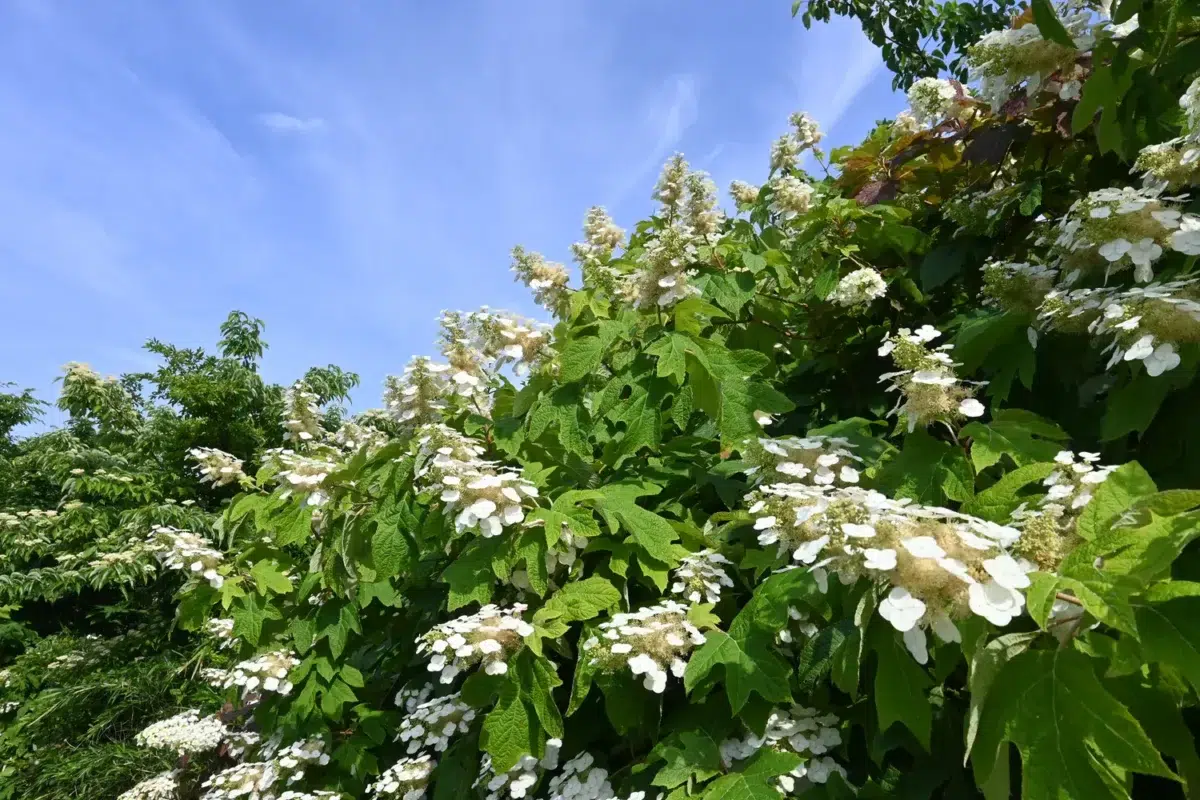
The oakleaf hydrangea deserves far more recognition than it currently receives in residential landscapes. Named for its distinctively shaped foliage that mirrors oak tree leaves, this versatile shrub provides continuous visual interest unlike any traditional flowering plant. Most garden specimens peak during specific months then fade into insignificance, but this particular variety maintains its decorative appeal during all twelve months.
During spring months, fresh foliage emerges in shades ranging from pale lime to vibrant green tones. This initial growth phase creates a bright, refreshing atmosphere in your garden beds. As temperatures warm and early summer arrives, spectacular flower panicles develop among the now deep-green established leaves. These impressive white blooms appear in large conical clusters that stand proudly above the foliage canopy.
Late summer brings the first transformation as flowers gradually shift toward delicate pink hues. This transition signals the approaching autumn spectacle that truly defines this plant’s character. The foliage undergoes a remarkable metamorphosis, turning rich burgundy, deep mahogany, and sometimes striking copper-orange shades. Meanwhile, the aged flower panicles develop attractive rosy-brown tones that complement the changing leaves beautifully.
Winter reveals the plant’s architectural structure. If you choose to prune after flowering, attractive brown stems remain visible throughout colder months. Alternatively, leaving dried panicles intact provides textural interest and gentle movement when winter breezes blow through your garden. Just as you might need to act now to prevent a spring invasion from tiny creatures, planning your garden with year-round interest prevents seasonal dullness.
Essential growing requirements and maintenance needs
Unlike many demanding ornamental shrubs, the oakleaf hydrangea thrives with minimal intervention. This low-maintenance characteristic makes it perfect for gardeners seeking beautiful results without constant attention. The plant adapts successfully to various growing conditions, though understanding its preferences ensures optimal performance and the most dramatic seasonal color changes.
Soil requirements remain flexible compared to other hydrangea types. While it prefers nutrient-rich, well-draining ground, this species tolerates ordinary garden soil reasonably well. Unlike macrophylla hydrangeas where flower color depends on soil pH levels, the oakleaf variety’s blooms remain consistently white before transitioning to pink regardless of acidity. This predictable color progression depends solely on seasonal changes rather than chemical composition.
| Season | Foliage color | Flower characteristics |
|---|---|---|
| Spring | Light to bright green | New growth emerging |
| Early summer | Deep green | White panicles blooming |
| Late summer | Dark green | Flowers turning pink |
| Autumn | Burgundy, mahogany, copper | Rosy-brown aged blooms |
| Winter | Deciduous | Dried decorative panicles |
Light exposure should balance between dappled shade and gentle morning sun. Harsh afternoon rays can scorch leaves and diminish flowering performance, so positioning matters. The plant demonstrates impressive cold hardiness, tolerating temperatures between negative fifteen and negative twenty degrees Celsius depending on cultivar selection. Wind resistance also ranks among its strengths, making it suitable for exposed garden locations.
Disease resistance is another notable advantage. While maintaining a tidy garden space helps, similar to how weeds disappear with simple household products, this hydrangea rarely suffers from serious pest or pathogen problems. Proper spacing ensures adequate air circulation, which naturally prevents most fungal issues.
Pruning strategies and growth enhancement
Understanding bloom formation helps optimize pruning timing. Since flowers develop on previous year’s wood, aggressive trimming eliminates next season’s display. Light shaping after flowering maintains size while preserving future blooms. This minimal pruning approach suits busy gardeners who want results without complicated maintenance schedules.
GardenThese 10 plants bloom quickly: you can plant them in springKey pruning considerations include :
- Remove dead or damaged wood in early spring before new growth emerges
- Trim spent flower panicles after they’ve transitioned through their color phases
- Shape the plant lightly after summer flowering completes
- Avoid heavy pruning that removes flowering wood from previous seasons
- Allow natural branching structure to develop for architectural winter interest
Watering needs remain moderate once established. During initial planting years, consistent moisture supports root development. Just as one spoonful of specific ingredients helps orchids grow faster, appropriate watering during establishment accelerates this shrub’s maturity. Mature specimens handle brief dry periods but appreciate supplemental water during extended droughts.
Fertilization requirements stay modest. A balanced spring feeding supports vigorous growth and abundant flowering. Excessive nitrogen encourages foliage at the expense of blooms, so moderation produces better results. Organic compost worked around the base each spring provides steady nutrition while improving soil structure.
Maximizing visual impact throughout seasons
Strategic placement amplifies this plant’s year-round appeal. Position it where you’ll appreciate seasonal transformations from indoor viewing areas. Foundation plantings, mixed borders, and specimen locations all showcase its evolving character effectively. The large leaf texture creates bold statements that contrast beautifully with fine-textured companion plants.
Consider underplanting with spring bulbs that bloom before hydrangea leaves fully expand. This layering technique extends color interest even further. Summer companions might include shade-tolerant perennials that complement white panicles. Autumn’s foliage transformation needs no enhancement, though ornamental grasses echo similar warm tones.
GardenPotted lemon tree: the exact watering technique to use in March to prevent flower dropContainer growing remains possible for smaller cultivars, though root space limitations reduce ultimate size. Just as proper maintenance keeps various garden elements pristine, like learning how kitchen ingredients dissolve limescale overnight, appropriate container care ensures healthy potted specimens. Regular watering and annual repotting maintain vigor for containerized plants.
This remarkable shrub delivers what few other garden plants can : genuine four-season interest with minimal maintenance demands. Its continuous transformation from spring’s fresh green through summer’s white blooms, autumn’s spectacular foliage display, and winter’s structural beauty creates an ever-changing garden focal point that justifies its space year after year.
