
Show table of content Hide table of content
Winter may seem like a quiet period in your garden, but beneath the surface and high up in pine trees, a dangerous threat is preparing its invasion. Processionary caterpillars are already forming their silky nests, and waiting until spring to deal with them could prove catastrophic for your family, pets, and trees. These seemingly harmless creatures harbor a toxic arsenal that demands immediate attention, making early February the critical window for preventive action.
Why these caterpillars pose a serious health threat
The processionary caterpillar isn’t just another garden pest; it’s a genuine health hazard that affects humans and animals alike. These larvae possess thousands of microscopic urticating hairs containing thaumetopoein, a powerful toxin that triggers severe allergic reactions upon contact. When threatened or disturbed, they release these hairs into the air, where they can travel significant distances on wind currents.
For humans, exposure typically results in intense itching, inflammatory skin rashes, and persistent redness that can last several days. Children face particular vulnerability due to their natural curiosity and tendency to touch interesting objects they encounter outdoors. More severe cases involve conjunctivitis when hairs reach the eyes, and respiratory complications can develop if the toxins are inhaled, potentially requiring emergency medical intervention.
Domestic animals, particularly dogs and cats, face even graver consequences. Dogs instinctively investigate new objects by sniffing and mouthing them, bringing them into direct contact with the caterpillars’ defensive mechanisms. The resulting reaction can cause massive tongue swelling, tissue necrosis, excessive salivation, and in untreated cases, death within hours. Cats, though generally more cautious, aren’t immune to accidental encounters while climbing trees or exploring undergrowth.
Just as you might need to tackle stubborn limescale problems in your home, addressing processionary caterpillars requires prompt action before they become unmanageable. The difference lies in timing : while household cleaning can wait, caterpillar control cannot.
Understanding their lifecycle and optimal intervention timing
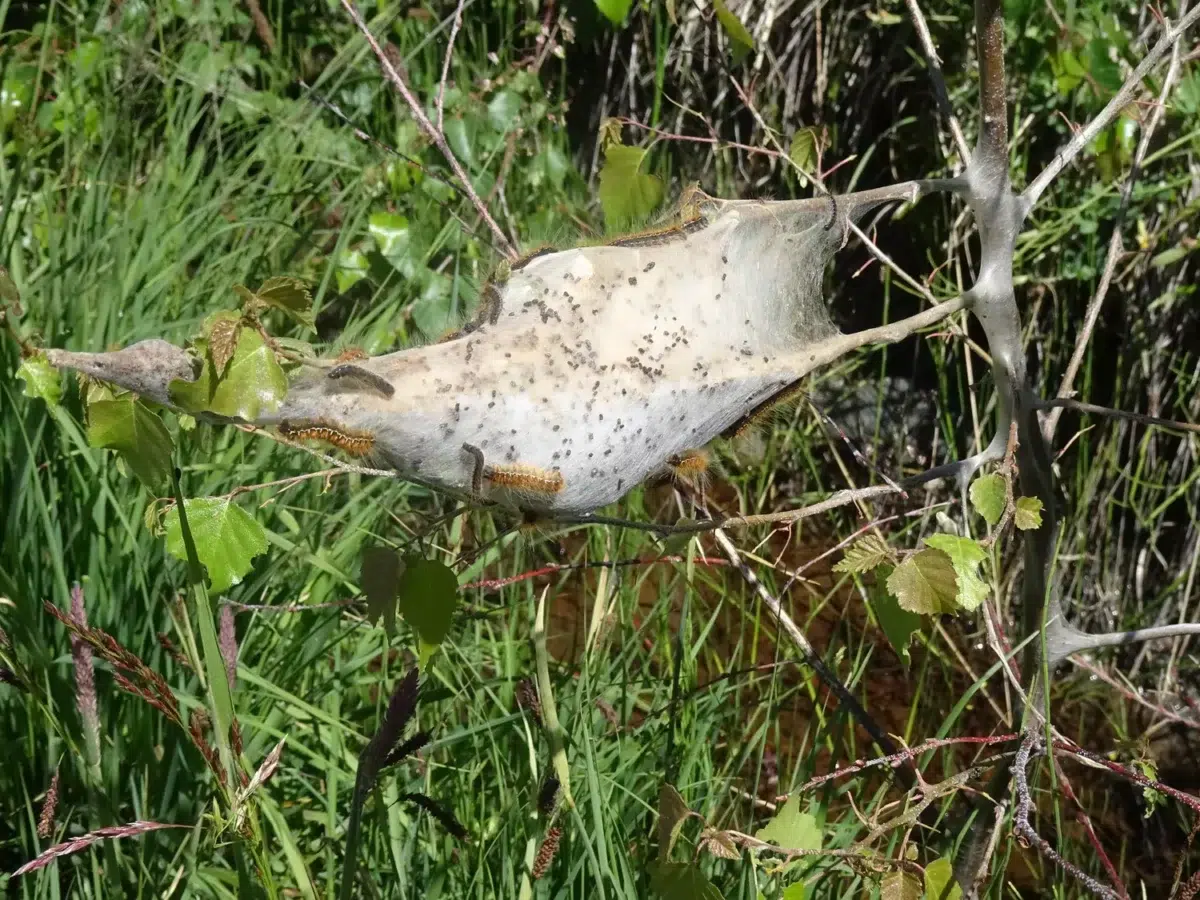
Throughout autumn and winter months, processionary caterpillar colonies establish themselves within protective silk cocoons attached to pine or oak tree branches. These white, cotton-like structures provide insulation and protection during cold weather, allowing larvae to develop undisturbed. The population grows steadily inside these nests, preparing for their springtime emergence.
As temperatures rise in late February or early March, the caterpillars begin their characteristic procession. They descend from trees in single-file lines—hence their name—seeking suitable soil locations for pupation. This migration period represents the most dangerous phase for human and animal contact, as disturbed caterpillars release their toxic hairs defensively.
| Season | Caterpillar stage | Risk level | Recommended action |
|---|---|---|---|
| Autumn-Winter | Nesting in cocoons | Low to moderate | Identify and remove nests |
| Late winter | Pre-migration | Moderate | Final prevention window |
| Spring | Active procession | Very high | Avoid contact, professional help |
| Summer | Pupation underground | Low | Monitor for adult moths |
Acting in January or February offers several strategic advantages. The caterpillars remain concentrated in identifiable nests, temperatures discourage outdoor activities where accidental contact might occur, and removal prevents the exponential population growth that follows successful pupation. Delaying intervention until spring transforms a manageable situation into a widespread infestation requiring professional intervention and significant expense.
Beyond immediate health concerns, these pests devastate local ecosystems. They feed voraciously on pine needles and oak leaves, weakening trees’ natural defenses against diseases and parasites. Sustained infestations can kill mature trees, altering landscape aesthetics and reducing property values. Much like how proper care helps orchids thrive, protecting trees from processionary caterpillars ensures long-term garden health.
Effective removal methods and safety protocols
Begin by thoroughly inspecting all susceptible trees on your property, particularly pines and oaks. Look for the distinctive white silk nests, typically located on sun-exposed branches in the upper canopy. Use binoculars for high branches to avoid unnecessary climbing risks. Document nest locations and sizes to plan your removal strategy effectively.
GardenThis flower is one of the few that blooms all year round — yet it’s surprisingly little knownFor accessible nests, proper protective equipment is absolutely essential. You’ll need :
- Full-coverage protective clothing with long sleeves and pants
- Heavy-duty gloves that extend past the wrists
- Safety goggles or a full-face shield
- An N95 or FFP2 respirator mask
- A secure disposal bag or container
Carefully cut the infested branch several inches beyond the nest attachment point using sharp, clean pruning tools. Immediately place the entire branch into a sealed plastic bag, minimizing air disturbance that could release urticating hairs. Never shake branches or attempt to dislodge nests, as this creates dangerous airborne toxin clouds. Dispose of sealed bags directly in outdoor waste containers, never compost bins or burn piles, as heat can spread the irritating hairs.
For nests beyond safe reach, professional arborists possess specialized equipment including telescopic pole pruners and elevated work platforms. They also employ biological control methods such as Bacillus thuringiensis treatments that specifically target caterpillar larvae without harming beneficial insects. Some professionals install physical barrier traps around tree trunks, capturing descending caterpillars before they reach ground level.
After removal, thoroughly clean all tools and protective equipment outdoors, preferably hosing them down before bringing them inside. Wash protective clothing separately from regular laundry using hot water. Consider the same thorough approach you’d use to tackle persistent garden weeds—complete eradication requires diligence and proper technique.
Protecting your property throughout the year
Prevention extends beyond immediate nest removal. Encourage natural predators like tits, hoopoes, and cuckoos by installing appropriate nesting boxes in early spring. These birds consume caterpillars without suffering ill effects, providing sustainable pest control. Bat boxes similarly attract nocturnal hunters that feed on adult processionary moths during summer evenings.
GardenThese 10 plants bloom quickly: you can plant them in springRegular monitoring throughout the year helps detect new infestations before they establish. Inspect trees monthly during growing season, looking for fresh nest construction or adult moth activity. Adult moths emerge in summer, mate, and lay eggs that will become next year’s problem if left unchecked. Breaking this cycle requires consistent vigilance rather than reactive intervention.
Consider planting diversified tree species rather than monoculture pine or oak stands. Mixed forests naturally resist pest infestations better than uniform plantings, as they support diverse beneficial insect populations and reduce pest movement between host trees. This ecological approach mirrors how simple preservation techniques extend food freshness—small preventive measures yield significant long-term benefits.
Educate family members, especially children, about recognizing processionary caterpillars and their nests. Establish clear boundaries around infested trees until professional removal occurs. Keep pets on leashes during spring walks through wooded areas, and immediately rinse any suspected contact areas with large volumes of water before seeking veterinary care.
GardenPotted lemon tree: the exact watering technique to use in March to prevent flower dropTaking action now, while caterpillars remain dormant in their winter nests, prevents the spring invasion that endangers your loved ones and devastates your landscape. The choice between convenient delay and prudent prevention will determine whether you enjoy a safe, beautiful outdoor space or face an uncontrolled pest emergency.
